

Key Takeaways
- Understand different types of furniture moving equipment.
- Learn essential features for safe and efficient transport.
- Compare materials and platform designs for heavy and delicate items.
- Discover best practices for dollies and trolleys in various environments.
- Avoid common mistakes that damage floors, furniture, or pose safety risks.
- Explore applications in home, office, warehouse, and industrial settings.
- Examine industry standards and safety regulations for moving equipment.
- Review case studies demonstrating efficiency and safety improvements.
Introduction
Moving heavy furniture or appliances can be daunting. A wrong choice in furniture moving equipment can result in damaged items, scratched floors, or even personal injury. In modern homes, offices, and industrial warehouses, efficiency and safety are paramount. Using the right dolly or trolley ensures a smooth operation, saves time, and minimizes risk.
Advanced models like rubber anti-slip platforms, PVC dollies, and MDF trolleys provide tailored solutions for various scenarios. Selecting the correct type requires understanding load capacity, platform material, mobility, ergonomic design, and compliance with safety standards.
Table of Contents
Types of Furniture Moving Equipment
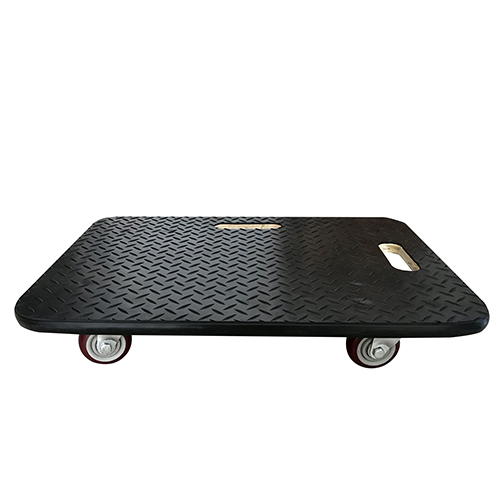
Rubber Anti-Slip Moving Dolly
Concept:
Rubber anti-slip dollies feature ribbed rubber platforms that prevent items from sliding during transport. These are ideal for delicate flooring and heavy loads in industrial, office, or residential applications.
Features and Advantages:
- Provides excellent grip for items of all shapes.
- Smooth 360-degree swivel castors for tight spaces.
- Ergonomic handholds reduce operator fatigue.
- Rounded corners and beveled edges improve safety.
Industry Case Example:
A warehouse in Chicago reduced furniture damage by 35% using RPWD6045 rubber dollies over six months compared to standard MDF trolleys.
PVC Moving Dolly

Concept:
PVC moving dollies combine lightweight construction with durable, non-slip surfaces, ideal for office, warehouse, and residential transport of bulky items.
Features and Advantages:
- Full PVC anti-slip surface protects floors.
- Extended Maxi Loader platforms allow transport of sofas, appliances, and cabinets.
- Narrow design allows easy passage through standard doorways.
Industry Standard Compliance:
Many PVC dollies comply with ISO 11228-1 Ergonomics – Manual handling, ensuring load distribution is safe for operators.
MDF Moving Dolly

Concept:
MDF dollies use sturdy wood platforms with non-slip pads, suited for moderate loads in home and office environments.
Features and Advantages:
- Load capacity up to 150 kg.
- Smooth 3-inch swivel castors for mobility on hard surfaces.
- Cost-effective option for light-duty transport.
Case Study:
A European office chain reduced moving time by 20% using MWD5929 MDF dollies for light office furniture relocation projects.
Comparison of Common Moving Dollies
| Model | Platform Material | Load Capacity | Castors | Dimensions (cm) | Best Use |
|---|---|---|---|---|---|
| RPWD6045 | Rubber | 200 kg | 3″ Swivel | 60x45x11.5 | Warehouses, home, offices |
| RPWD6030 | PVC | 150 kg | 4″ Swivel | 60x30x14.5 | Home, office, workshops |
| RPWD7050 | PVC | 200 kg | 4″ Swivel | 70x50x14.5 | Offices, industrial |
| MWD5929 | MDF | 150 kg | 3″ Swivel | 59x29x12 | Home, light-duty |
Analysis:
- Rubber platforms offer maximum grip and floor protection.
- PVC is versatile and lightweight, suitable for larger, heavy items.
- MDF is cost-efficient but limited to moderate loads.
Key Features to Evaluate
Load Capacity
Choose equipment with a safe working load greater than your heaviest item. Overloading risks tipping, equipment failure, and injury. Industrial-grade dollies often handle 200–300 kg safely.
Mobility
Swivel castors, usually 3–4 inches, ensure smooth maneuvering across concrete, tile, hardwood, or carpet. Rubber wheels reduce noise and prevent scratches.
Surface Material
Rubber: Anti-slip, durable, protects floors.
PVC: Lightweight, easy cleaning, moderate anti-slip.
MDF: Sturdy, cost-effective, best for lighter loads.
Ergonomics
Handholds, rounded edges, and beveled corners improve comfort and reduce strain on operators, aligning with ISO 11228-2 ergonomic guidelines for manual handling.
Best Practices for Safe Furniture Moving
Preparing Items
- Remove detachable parts to prevent damage.
- Use straps or ropes for unstable items.
- Place heavier items at the bottom for balance.
Movement Techniques
- Push instead of pulling to reduce strain.
- Two-person handling for large items.
- Navigate corners slowly to avoid tipping.
Floor Protection
Use protective mats or dollies with anti-slip platforms for hardwood, tiles, or polished surfaces.
Applications Across Industries
Residential Use
Moving sofas, beds, and appliances efficiently while preserving floor integrity.
Office Use
Relocating desks, chairs, and filing cabinets without disrupting workflow.
Industrial Use
Transporting machinery, warehouse pallets, and heavy equipment safely.
Warehouse Case Study
A logistics warehouse in Germany implemented RPWD7050 PVC dollies to move heavy stock, increasing efficiency by 25% and reducing employee injuries.
Safety Standards and Guidelines
- ISO 11228: Ergonomics – Manual handling
- ANSI MH10.8: Material handling equipment safety
- OSHA Guidelines: Safe handling for workers using dollies and trolleys
Ensuring dollies meet these standards reduces workplace incidents and liability risks.
Innovations in Furniture Moving Equipment
Adjustable Height Dollies
Allow height customization to match item levels, improving operator posture and reducing fatigue.
Hydraulic-Assisted Dollies
Incorporate hydraulic lifts to reduce manual lifting, suitable for warehouse automation.
Foldable and Compact Designs
Ideal for storage and small-space environments without sacrificing load capacity.
FAQ
Q1: Can rubber dollies be used on delicate hardwood floors?
A: Yes, they provide maximum grip without scratching, ideal for sensitive surfaces.
Q2: What is the recommended load capacity for home furniture?
A: 150–200 kg is sufficient for most household furniture.
Q3: Are swivel castors necessary?
A: Yes, they improve maneuverability and make navigation in tight spaces easier.
Q4: Can PVC dollies be used outdoors?
A: Yes, PVC is durable and resistant to moisture, suitable for short outdoor transport.
Q5: How do I maintain my furniture moving equipment?
A: Regularly inspect wheels, tighten bolts, and clean platforms to ensure safe operation.
Conclusion
Selecting the right furniture moving equipment is crucial for efficiency, safety, and protecting floors and furniture. Assess load capacity, platform material, ergonomic design, and compliance with safety standards. Investing in quality dollies and trolleys can save time, reduce damage, and increase productivity across home, office, and industrial applications.
Keep the Conversation Going!
Loved this article? Join our community for more industry insights, real-time discussions, and exclusive updates. Find me here:
→ Facebook: Qingdao Kinkayo Industry and Trade Co., Ltd.
→ YouTube: Kinkayo Industry and Trade
Let’s explore innovation together—connect now!
 English
  French
  Japanese
  Spanish
  German