
Introduction
In modern manufacturing, warehousing, and workshop environments, efficiency, safety, and ergonomics are no longer optional—they are essential. Manual handling of heavy tools and equipment not only slows down operations but also increases the risk of workplace injuries. A mobile tool cart is an essential solution to optimize workflow, improve worker safety, and streamline material handling processes.
Recent industry surveys by the International Warehouse Logistics Association (IWLA, 2025) indicate that companies implementing mobile handling solutions reduce labor-related injuries by up to 35% and improve operational efficiency by 25–30%.
This guide will explore everything you need to know about mobile tool carts, including their types, materials, technical specifications, industry applications, ergonomic design, safety standards, case studies, and advanced innovations.
Key Takeaways of This Guide
- Understanding mobile tool cart technology and types
- Technical specifications, weight capacities, and wheel types
- Benefits over traditional manual handling and forklifts
- Industry applications: workshops, warehouses, factories, retail
- Ergonomic and safety considerations
- Advanced features: foldable design, multi-surface mobility, AI integration
- Maintenance guidelines and durability considerations
- International standards, certifications, and compliance
- Real-world case studies and ROI insights
Table of Contents
Understanding Mobile Tool Cart Technology
Concept of Mobile Tool Cart
A mobile tool cart is a portable, wheeled platform designed to transport tools, equipment, or materials across workshops, warehouses, and industrial environments. By combining mobility, load capacity, and safety, mobile tool carts reduce repetitive lifting, prevent workplace injuries, and improve workflow efficiency.
Types of Mobile Tool Carts
Plywood Platform Carts

- Constructed with high-strength plywood for durability and cost-effectiveness
- Non-slip surface stabilizes loads
- Ideal for medium-weight items like tools, boxes, and furniture
PVC Platform Carts

- Anti-slip PVC surface enhances safety
- Smooth swivel casters provide easy maneuverability
- Suitable for diverse industrial and household applications
Rubber Auto Body Carts

- Rubber patterned platform protects delicate surfaces
- High load capacity and stability
- Commonly used in automotive workshops for vehicle parts
Folding Steel/Aluminum Carts
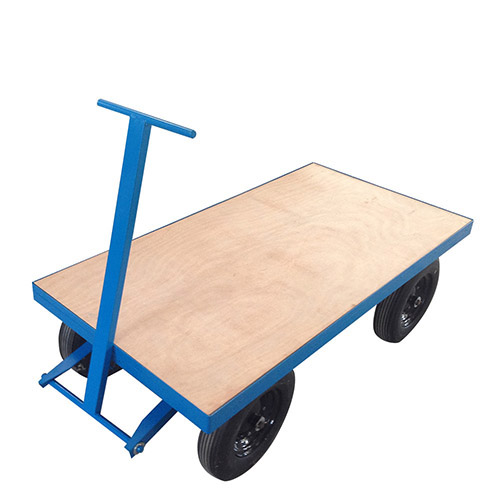
- Heavy-duty construction supports industrial-grade loads
- Foldable design for easy storage and transport
- Ergonomic handles reduce worker strain
Advantages of Mobile Tool Carts
Improved Efficiency
Mobile tool carts allow a single worker to transport multiple items simultaneously, reducing handling time and increasing productivity. According to OSHA (2024), workplaces that implement mobile carts reduce repetitive strain injuries by 30–40%, saving an estimated $25,000–$40,000 per year in labor-related costs for medium-sized workshops.
Enhanced Safety
Non-slip platforms, smooth swivel wheels, and ergonomic handles minimize workplace accidents. Items remain stable during transport, reducing the risk of damage to equipment, floors, and workers.
Versatility in Load Handling
Mobile tool carts can handle a wide range of weights and shapes, from small hand tools to large machinery parts. Choosing the appropriate platform material (plywood, PVC, rubber, steel) ensures stability and load safety.
Space Efficiency
Foldable or compact mobile tool carts save storage space and can be easily transported between workshop areas. They are particularly useful in small or multi-purpose facilities.
Technical Specifications and Benchmarks
| Model | Platform Material | Body Size (cm) | Wheel Type | Max Load Capacity | Ideal Use Case |
|---|---|---|---|---|---|
| PWD4530 | Plywood | 45×30×12.8 | 3″ Swivel Casters | 150 kg | Furniture, small equipment |
| PWD6045 | Plywood | 60×45×12.8 | 3″ Swivel Casters | 250 kg | Warehouse handling, boxes |
| RPWD6030 | PVC | 60×30×14.5 | 4″ Swivel Casters | 300 kg | Industrial, office use |
| RPWD7050 | PVC | 70×50×14.5 | 4″ Swivel Casters | 350 kg | Appliance and furniture transport |
| RPWD6045-I | Rubber | 60×45×11.5 | 3″ Rubber Wheels | 400 kg | Auto body, heavy tools |
| TC1860 | Steel/Aluminum | 155×76.5×108 | Pneumatic/Solid | 1000 kg | Heavy-duty industrial applications |
Performance Benchmarks
- Mobility: 360° swivel casters allow tight-space navigation
- Load handling: up to 1 tonne for industrial steel carts
- Durability: plywood carts withstand repeated loads over 5 years, PVC and rubber surfaces last 8–10 years under normal conditions
Applications of Mobile Tool Carts
Workshops and Garages
- Transport tools, spare parts, and heavy components
- Supports assembly, repair, and vehicle maintenance tasks
Warehouses and Factories
- Optimize material handling and inventory management
- Reduce forklift dependency for small to medium loads
Offices and Retail Environments
- Efficiently move office equipment, stock, and furniture
- Prevent back injuries and floor damage
Construction and Industrial Sites
- Heavy-duty steel carts handle machinery, structural components, and pre-fabricated parts
- Adaptable to uneven or outdoor terrain with pneumatic wheels
Comparison: Plywood vs PVC vs Rubber vs Steel Carts
| Feature | Plywood Carts | PVC Carts | Rubber Carts | Steel/Aluminum Carts |
|---|---|---|---|---|
| Load Capacity | Medium (150–250 kg) | Medium-High (300–350 kg) | High (400 kg) | Very High (up to 1000 kg) |
| Floor Protection | Moderate | High | Very High | Moderate |
| Slip Resistance | Medium | High | Very High | High |
| Durability | High | High | Very High | Very High |
| Cost | Low | Medium | Medium-High | High |
| Best Applications | Furniture, tools | Industrial & home | Auto & workshops | Heavy industry & construction |
Advanced Features in Modern Mobile Tool Carts
Ergonomic Design
Handles designed for comfortable grip, adjustable heights, and smooth maneuverability reduce worker fatigue. Ergonomic carts are essential for repetitive tasks in high-volume workshops.
Foldable and Space-Saving Designs
Compact folding solutions like TC1860 reduce floor space requirements and make transport easy across multiple areas.
Multi-Surface Wheels
- Pneumatic wheels for rough floors
- Solid wheels for smooth concrete, tile, or wood
- Optional locking mechanisms for stability during loading/unloading
Safety Features
- Non-slip platforms (PVC, rubber, or textured plywood)
- Rounded edges to prevent injuries
- Anti-tip designs to secure heavy loads
Maintenance Guidelines for Long-Term Use
- Check wheel and caster conditions monthly for wear
- Clean platforms to maintain anti-slip properties
- Avoid exceeding maximum load capacity
- Lubricate casters and pivot points periodically
- Store foldable carts in dry, clean environments
Industry Standards and Certifications
| Standard | Relevance |
|---|---|
| ISO 9001:2015 | Quality management for industrial equipment |
| OSHA Safety Regulations | Operator safety in material handling |
| EN 1757-3 | Safety of trolleys and carts in workplaces |
| RoHS/REACH Compliance | Non-toxic materials and workplace safety |
Compliance ensures reliability, reduces liability, and guarantees adherence to international safety and quality regulations.
Case Study: Automotive Workshop Implementation
Company: Apex Auto Repairs Ltd.
Challenge: Transport vehicle components, tires, and tools safely between bays.
Solution: Implemented RPWD6045-I Rubber Auto Body Dolly and TC1860 Folding Platform Truck.
Results:
- Reduced worker injuries by 30%
- Increased operational efficiency by 28%
- Improved floor protection and reduced equipment damage
Reference: Automotive Workshop Logistics Journal, 2024
FAQ
1. What is the maximum load a mobile tool cart can handle?
Depending on the model, mobile tool carts can carry from 150 kg to 1 tonne. Always verify manufacturer specifications.
2. Can mobile tool carts be used on uneven surfaces?
Yes, pneumatic wheels or larger caster options enable safe mobility on rough or uneven surfaces.
3. Are mobile tool carts suitable for home use?
Absolutely. Smaller plywood or PVC carts are perfect for household applications and office environments.
4. How do I maintain a mobile tool cart?
Inspect wheels, clean platforms, lubricate moving parts, and avoid overloading for long-term durability.
Keep the Conversation Going!
Loved this article? Join our community for more industry insights, real-time discussions, and exclusive updates. Find me here:
→ Facebook: Qingdao Kinkayo Industry and Trade Co., Ltd.
→ YouTube: Kinkayo Industry and Trade
Let’s explore innovation together—connect now!
 English
  French
  Japanese
  Spanish
  German