中国でトロリーメーカーを選ぶための究極のガイド

倉庫、小売、産業のニーズに最適な中国製トロリーメーカーをお探しください。今すぐ効率を高め、コストを削減しましょう!

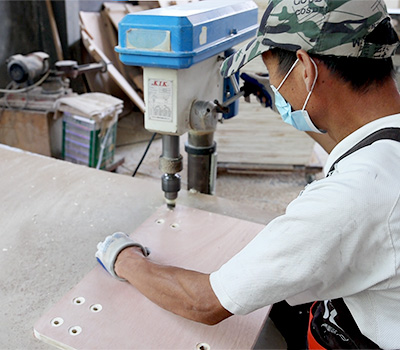
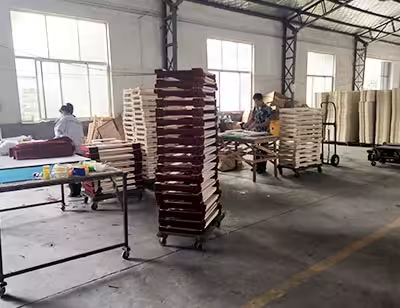
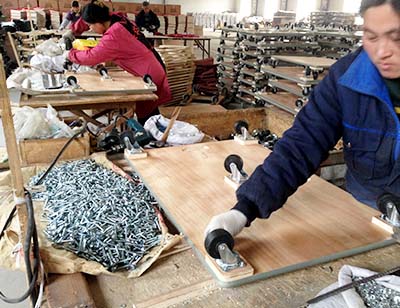
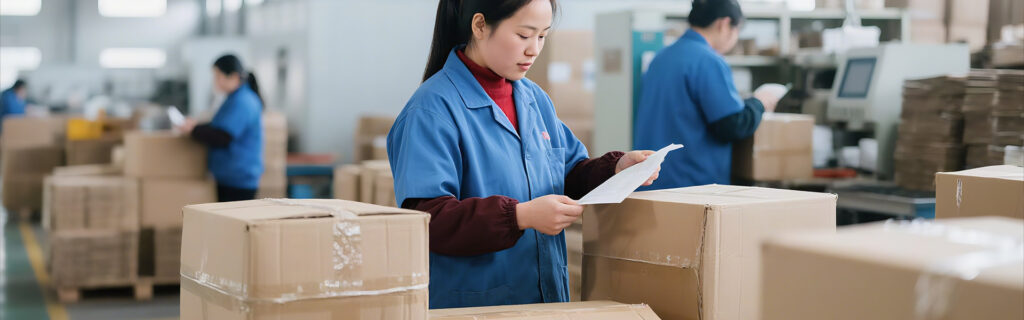
Choosing the right trolley manufacturer is critical for business operations that rely on efficient material handling. Industrial platform trolleys and handling carts are used across warehouses, factories, retail, and service industries to move goods safely and quickly. By selecting a Chinese platform trolley supplier with strong quality standards and customization capability, you can boost productivity and reduce costs. This guide explores how different industries use trolleys (with a comparison table), highlights key manufacturing considerations, and presents a real-world case study on improving efficiency.

Industry Use Cases for プラットフォームトロリー

トロリーメーカー
マテリアルハンドリング

Different industries require trolleys tailored to specific tasks. Focusing on wooden trolleys, rubber wheel trolleys, and carpet-moving trolleys helps you match equipment to operational needs.

Warehouse Applications: Wooden Trolleys

木製ゴーカート

Durable wood trolleys are ideal for warehouses handling medium-weight goods.

  • Sturdy hardwood decks support boxes and crates without bending.
  • Lightweight construction allows easy maneuvering while maintaining load stability.
  • Smooth wooden surfaces reduce friction and protect sensitive packaging.

Retail and Wholesale: Rubber Wheel Trolleys

ハードウッドラバーエンドドリー

Rubber wheel trolleys are perfect for moving stock across store floors.

  • Quiet rubber wheels prevent noise disruption in retail spaces.
  • Soft wheels protect tile and hardwood flooring from scratches.
  • Medium-duty load capacity is ideal for moving multiple small boxes efficiently.

Hospitality & Events: Carpet-Moving Trolleys

ハードウッドカーペットエンドドリー

Carpet-moving trolleys are designed for smooth handling of rugs, rolls, or banquet materials.

  • Wide soft rollers prevent carpet damage during transport.
  • Multi-level designs allow stacking without risk of crushing materials.
  • Ergonomic handles improve maneuverability during event setups.

Manufacturing and Assembly: Wooden & Rubber Hybrid Trolleys

Combination wooden decks with rubber wheels suit factory floors.

  • Robust deck supports components while wheels absorb vibration.
  • Ergonomic and smooth mobility reduces operator fatigue.
  • Protects fragile products and minimizes floor wear.

Healthcare and Medical Use: Rubber Utility Trolleys

Rubber wheel trolleys maintain hygiene while being gentle on floors.

  • Closed compartments can carry medical supplies safely.
  • Non-marking wheels prevent contamination and protect hospital flooring.
  • Easy to clean surfaces support strict sanitation standards.

Construction and Outdoor: Heavy-Duty Wooden または Rubber Trolleys

  • Wooden reinforced trolleys handle building materials on uneven surfaces.
  • Rubber wheels provide shock absorption on rough terrain.
  • High load capacity ensures safe movement of bricks, cement, or tiles.

Comparative Parameter Table: Wooden, Rubber, and Carpet Trolleys Across Industries

IndustryTrolley TypeCapacityMaterial & FeaturesApplication Benefits
Warehousing & LogisticsWooden deck trolley200–500 kgHardwood deck, solid frame, smooth surfaceHandles medium-weight goods, stable load, protects packaging
Retail & WholesaleRubber wheel trolley50~200 kgSoft rubber wheels, foldable handlesQuiet, floor-friendly, maneuverable for restocking
Hospitality & EventsCarpet-moving trolley30–100 kgWide soft rollers, multi-level deckPrevents carpet damage, stacks materials safely, ergonomic
Manufacturing & AssemblyWooden + rubber hybrid100–300 kgHardwood deck + rubber wheels, ergonomicSmooth transport of fragile parts, reduces operator fatigue
Healthcare & MedicalRubber utility trolley50–100 kgNon-marking wheels, closed compartmentsHygienic transport, protects flooring, easy to clean
Construction & OutdoorHeavy-duty wooden/rubber300–800 kgReinforced deck, shock-absorbing rubber wheelsSafe material handling on rough or uneven surfaces

This table highlights the key parameters and practical benefits of wooden, rubber, and carpet trolleys, helping buyers select a トロリーメーカー that can supply the right type for their industry and workflow.ufacturer that meets specific operational requirements.

Key Considerations When Choosing a Trolley Manufacturer

正しい選択 トロリーメーカー is crucial for ensuring that your material handling operations are efficient, safe, and cost-effective. Beyond simply looking at price, businesses must evaluate quality, manufacturing expertise, customization capabilities, and ongoing support.

Quality Standards and Certification

High-quality trolleys start with reputable manufacturers who prioritize standards and certification.

  • International Certifications: Leading manufacturers often hold ISO 9001 (quality management) and CE certifications. These confirm that production processes meet strict quality and safety requirements.
  • Rigorous Testing: Reliable suppliers conduct stress tests, load capacity trials, and durability checks. For instance, industrial-grade wooden or rubber trolleys are tested for repeated heavy load cycles to ensure structural integrity.
  • Consistency: Certification ensures each unit meets design specifications, reducing variation between batches, which is especially important for large-scale warehouse or manufacturing deployments.

Investing in a certified supplier helps minimize downtime and operational risks associated with trolley failure or damage.

Material and Design Choices

Material selection directly impacts durability, maintenance, and performance.

  • Wooden Trolleys: Hardwood decks provide excellent load stability and a smooth surface for medium-weight items. They are resistant to bending and ideal for warehouse storage of boxed goods.
  • Rubber Wheel Trolleys: Soft, non-marking wheels protect floors in retail or hospital environments, while absorbing shock during transport on uneven surfaces.
  • Carpet-Moving Trolleys: Wide soft rollers prevent material damage when handling rugs or delicate surfaces.

Other factors include:

  • Handle Ergonomics: Well-designed handles reduce operator fatigue and increase efficiency during repetitive lifting or pushing tasks.
  • Wheel Options: Pneumatic, swivel, or fixed wheels affect maneuverability and terrain compatibility.
  • Corrosion Resistance: Powder-coated steel, treated wood, or stainless steel components increase lifespan in humid, wet, or outdoor environments.

By understanding material and design trade-offs, you can choose trolleys that fit both your industry and specific operational challenges.

Customization and Supplier Expertise

Top trolley manufacturers provide tailored solutions for B2B clients, rather than offering off-the-shelf models only.

  • Adjustable Shelves and Decks: Modular shelves can accommodate varying box sizes, allowing flexible storage and transportation.
  • Foldable or Detachable Handles: Saves space when not in use and allows easier loading into transport vehicles.
  • Specialized Wheels and Brakes: Depending on the environment—smooth flooring, rough construction sites, or carpets—wheel selection can drastically improve efficiency.
  • Branding and Color Customization: Some manufacturers provide options to add company logos or color-coding for quick identification in large operations.

A manufacturer willing to adapt designs demonstrates not only technical capability but also a partnership-oriented approach, which is invaluable for long-term B2B operations.

Production Capacity and Lead Times

Assessing a manufacturer’s capacity ensures they can meet your demand consistently.

  • Bulk Orders: Many Chinese manufacturers produce millions of units annually, making them capable of fulfilling high-volume warehouse, retail, or industrial projects.
  • Prototyping and Samples: Leading suppliers provide sample units or prototypes, allowing you to test usability and performance before committing to a full order.
  • Flexibility for Phased Orders: Whether you need 100 or 10,000 units, a capable supplier can handle staggered production without delaying operations.

Large-scale, experienced manufacturers reduce the risk of supply chain interruptions and make scaling operations easier.

After-Sales Support

Strong post-sale service differentiates reliable trolley manufacturers.

  • Installation and Setup: Some trolleys, especially modular or custom designs, require minor assembly or adjustment. Professional guidance ensures safe and correct usage.
  • Staff Training: Training on trolley operation and best practices increases productivity and prevents misuse.
  • Maintenance Services: Preventive maintenance and quick response repair services prolong the life of the trolleys.
  • Warranty Coverage: Coverage for manufacturing defects gives peace of mind, particularly when deploying trolleys in critical operations such as hospitals or production lines.

Investing in after-sales support ensures operational continuity and protects your capital investment.

Real-World Case Study: Logistics Efficiency with Custom Trolleys

Scenario: Robinson Innovations, a third-party logistics provider supporting a train assembly plant, faced frequent paint damage to rail components using generic flatbed carts.

Solution: Partnering with a トロリーメーカー, they designed custom modular platform trolleys featuring:

  • Soft Foam Buffers: Protect delicate painted surfaces during transport.
  • Dedicated Compartments: Each component had a pre-defined slot, reducing handling errors.
  • Ergonomic Handles and Rubber Wheels: Allowed faster and safer movement across factory floors.

Impact:

  • Product damage drastically reduced.
  • Loading speed improved, as each component had a designated spot.
  • Pick-pack-and-ship cycles became more efficient, increasing warehouse throughput.
  • Employee fatigue decreased due to improved ergonomics.

This example demonstrates the tangible benefits of working with a capable trolley manufacturer: optimizing operational workflows, protecting sensitive goods, and reducing costs. The collaboration illustrates how even incremental design improvements—like adding foam buffers or modular compartments—can significantly enhance efficiency and reduce rework in industrial logistics.

Additional Practical Insights

  • Integration with Existing Processes: When sourcing trolleys, consider aisle width, shelf heights, and lift gates to ensure compatibility.
  • Environment-Specific Solutions: Rubber wheel trolleys are ideal for hospitals; wooden decks perform well in warehouses; carpet trolleys suit event spaces.
  • Scalability: Select a manufacturer that can scale production as your business grows without compromising quality.
  • Compliance and Safety: Make sure the trolleys meet industry-specific standards, such as non-toxic finishes for food handling or anti-static features for electronics manufacturing.

By combining quality standards, tailored designs, and reliable support, companies can maximize ROI on trolley investments while reducing operational risks.

Beyond the Basics: Technology and Innovation

Modern trolley manufacturers integrate technology to optimize performance. CAD design, laser cutting, automated welding, and eco-friendly finishes improve strength, consistency, and sustainability. Advanced trolleys may include ergonomic handles, noise-dampening wheels, or modular digital scales. Some suppliers also provide motorized or automated guided carts (AGCs) for specialized operations.

How to Engage a Trolley Manufacturer

Define Your Needs

Before contacting a supplier, outline your specific requirements:

  • 耐荷重: Determine the maximum weight the trolley will carry. Consider peak loads and repeated use scenarios.
  • Trolley Dimensions: Account for aisle widths, shelving heights, and storage constraints in your facility.
  • Usage Frequency: Identify whether trolleys will be in constant use (e.g., warehouse operations) or occasional transport (e.g., event setups).
  • Environmental Conditions: Specify if the trolley will operate in cleanrooms, wet environments, rough outdoor surfaces, or areas requiring hygienic materials.

Providing detailed specifications helps the manufacturer propose the most suitable materials, wheel types, and designs.

Evaluate Portfolio and Customization Options

A strong トロリーメーカー should demonstrate versatility and adaptability:

  • Case Studies: Ask for real-world examples showing how they solved similar industry challenges. This reveals their practical expertise and design flexibility.
  • Prototypes and Samples: Request prototypes or sample units to test handling, ergonomics, and load capacity. Testing prototypes ensures compatibility with your workflow before full-scale production.
  • Customization Capabilities: Determine if the supplier can adjust deck size, shelving levels, handle design, or wheel type, and whether they can incorporate branding or color-coding for operational efficiency.

Confirm Testing and Compliance

Ensure safety and reliability by verifying standards:

  • Load Testing: Confirm that trolleys undergo rigorous load testing, including maximum weight and repetitive use cycles.
  • Safety Certifications: Check for CE, ISO, or industry-specific certifications relevant to your sector (e.g., medical, food handling, industrial).
  • Factory Audits or Site Visits: For large or critical orders, visiting the production facility ensures quality control processes and production capacity are trustworthy.

These steps reduce operational risk and ensure long-term performance.

Prioritize Communication and Support

A reliable トロリーメーカー should offer clear communication and ongoing support:

  • Project Communication: Ensure the supplier provides responsive communication, ideally in your preferred language, with a dedicated account manager.
  • After-Sales Services: Look for installation guidance, staff training, and maintenance support to optimize trolley use and extend lifespan.
  • Trial Orders or Phased Rollouts: Testing a small batch before scaling production helps identify potential issues early, minimizing disruption.

Strong communication and support ensure the partnership is collaborative, reducing delays and facilitating smooth implementation of custom or bulk trolley solutions.

よくある質問

Q: How do I know if a Chinese trolley manufacturer is reliable?

A: Look for ISO/CE certifications, strong production capacity, and detailed case studies. Verify after-sales support and willingness to customize.

Q: What types of trolleys are best for warehouse use?

A: Heavy-duty steel platform trolleys with swivel casters are ideal for moving pallets and bulk goods efficiently.

Q: Can manufacturers customize trolleys for specific industry needs?

A: Yes, top suppliers provide bespoke options including deck size, shelf count, handle type, wheel options, and branding.

Q: How do I minimize damage to sensitive goods during transit?

A: Modular trolleys with dedicated compartments, foam buffers, or protective surfaces prevent scratches and reduce handling risks.

Q: What is the typical lead time for custom trolley orders?

A: Lead times vary by order size and complexity. Reliable manufacturers can provide prototypes and samples before full production.

Next Steps and Contact

Finding the right trolley manufacturer in China can optimize your operations and reduce costs. Our team offers turnkey solutions for all industries, from heavy-duty steel trolleys to modular platform carts.

Contact us today for a free consultation, quote, or technical guidance. Let’s identify the ideal industrial material handling cart for your workflow and improve your warehouse efficiency.


会話を続けましょう!
この記事はいかがでしたか?業界の洞察、リアルタイムの議論、そして限定最新情報をお届けするコミュニティにぜひご参加ください。こちらからアクセスしてください:
→ フェイスブック: 青島金華陽工貿株式会社

→ ユーチューブ: キンカヨ産業貿易
一緒にイノベーションを探求しましょう。今すぐつながりましょう。

jaJapanese

今すぐカスタマイズされたマテリアルハンドリングソリューションを入手しましょう。

倉庫管理の効率化をお考えの場合でも、よりスマートな物流ソリューションをお探しの場合でも、お客様独自のニーズに合わせてカスタマイズされたマテリアルハンドリング機器とサービスをご提供いたします。製品の詳細や専門家のアドバイスについては、今すぐお問い合わせください。お客様のビジネスを新たな高みへと導くお手伝いをいたします。
お問い合わせ
官網询盘
青島金華陽工貿株式会社は 1998 年に設立され、高品質の資材搬送機器の設計、製造、世界的な販売を専門とし、カスタマイズされたソリューションを提供しています。
接触
+86 15853267847
いいえ。黄島双龍路126号
青島市地区
Copyright © 2025 青島金華洋産業貿易有限公司 All Rights Reserved. Easybizによって提供