目次
導入

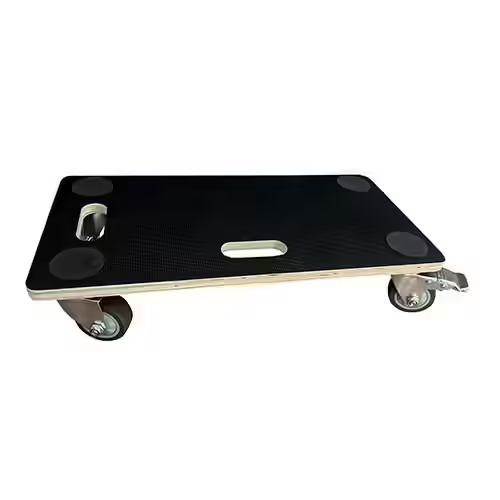
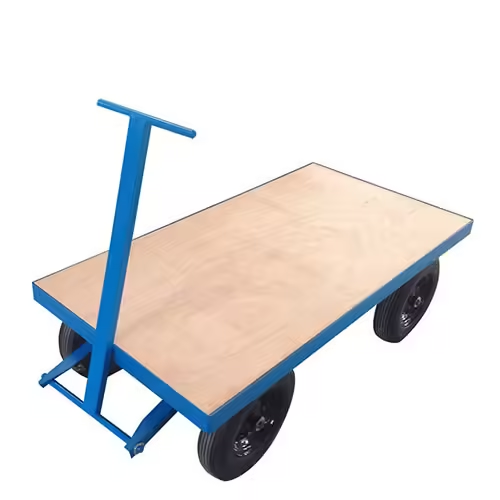
Trolleys for warehouse use are indispensable tools for material handling, helping workers transport goods efficiently and reducing manual labor. Despite their advantages, improper use or neglecting safety considerations can lead to accidents, injuries, and damage to products. Safety in warehouse environments is a top priority, as even minor mishaps can disrupt operations and increase costs.
In this article, we will discuss the top four safety considerations for a trolley for warehouse use. By understanding these factors, warehouse managers, operators, and staff can prevent accidents, maintain smooth workflows, and ensure the longevity of the equipment.
Consideration 1: Load Capacity and Weight Distribution for Trolleys for Warehouse
The first critical safety consideration is understanding the load capacity of a trolley for warehouse operations. Overloading a trolley can lead to tipping, wheel failure, or structural damage, posing risks to both operators and stored goods.
Equally important is weight distribution. Even if the total weight does not exceed the maximum capacity, unevenly loaded trolleys can become unstable. For example, placing heavy items on one side may cause the trolley to lean or topple during movement, especially when navigating ramps or tight corners. Operators should follow manufacturer guidelines regarding load limits and distribute weight evenly across the platform. For bulky or irregularly shaped items, using restraining straps or dividing the load across multiple trolleys can further enhance safety.
Consideration 2: Wheel Quality and Maintenance of Trolleys for Warehouse

The performance and safety of a trolley for warehouse heavily depend on its wheels. High-quality wheels with proper bearings reduce friction, allow smooth movement, and minimize strain on operators. Conversely, worn or damaged wheels increase the risk of accidents, particularly on uneven surfaces.
Routine inspection and maintenance are essential. Wheels should be checked for cracks, deformation, or accumulated debris. Lubricating bearings and replacing worn components can prevent sudden failures that may result in tipping or uncontrolled movement. In warehouses with mixed flooring types, selecting wheels suitable for each surface—such as polyurethane for concrete or rubber for tiled areas—ensures better traction and reduces noise.
Consideration 3: Ergonomic Design and Operator Safety for Trolleys for Warehouse
Ergonomics is another vital factor in trolley safety. Poorly designed handles, incorrect height, or difficult maneuverability can lead to operator fatigue, repetitive strain injuries, and accidents. A trolley for warehouse use should allow comfortable pushing or pulling without excessive force.
Ergonomic handles, smooth-rolling wheels, and optimal platform height all contribute to safer operations. Training staff on proper handling techniques, including using both hands, maintaining a straight posture, and avoiding sharp turns, reduces the likelihood of injury. In addition, trolleys with brakes or locking mechanisms prevent unintended movement when loading or unloading goods.
Comparative Table: Key Safety Features of Trolleys for Warehouse
| Safety Factor | Potential Issue | Recommended Solution | 利点 |
|---|---|---|---|
| Load Capacity & Weight Distribution | Overloading or uneven load | Follow guidelines, use restraining straps | Prevents tipping and structural damage |
| Wheel Quality & Maintenance | Worn, cracked, or unsuitable wheels | Regular inspection, choose appropriate type | Smooth movement, reduced accident risk |
| Ergonomic Design & Operator Safety | Poor design, operator fatigue | Adjustable handles, training, brakes | Reduces strain, improves control |
| 運用環境 | Cluttered or uneven surfaces | Clear pathways, use anti-slip wheels | Safer navigation and fewer collisions |
This table summarizes the top safety considerations for a trolley for warehouse applications, highlighting practical solutions and their benefits. By following these recommendations, warehouses can maintain both efficiency and safety.
Consideration 4: Environmental and Operational Factors for Trolleys for Warehouse

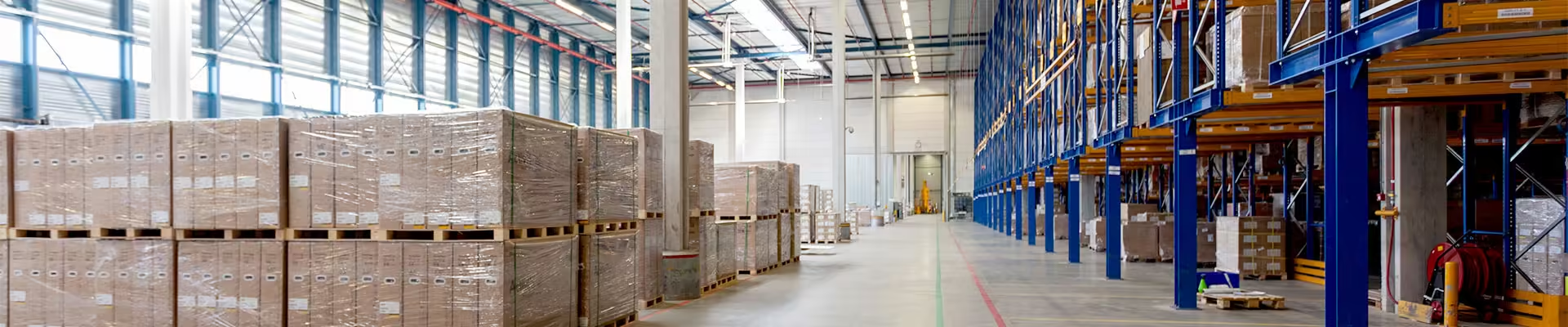
Safety is not only about the trolley itself but also about the warehouse environment. Wet or slippery floors, cluttered aisles, poor lighting, and narrow pathways increase the risk of accidents. A trolley for warehouse operations performs best when operators have a clear and well-organized workspace.
Regularly inspecting the warehouse layout, removing obstacles, and ensuring proper lighting can prevent collisions or trips. In areas with slopes or ramps, using trolleys with braking systems or additional support reduces uncontrolled movements. Additionally, temperature extremes or exposure to chemicals may degrade certain materials on the trolley, such as rubber wheels or coatings, affecting both safety and performance.
Additional Strategies to Enhance Trolley Safety
Beyond the four main considerations, there are additional practices that improve safety and efficiency. Implementing a preventive maintenance schedule ensures trolleys remain in optimal condition. Labeling trolleys with maximum load limits and training staff on emergency procedures reinforces a culture of safety. Using color-coded trolleys for different materials or departments can reduce confusion and streamline workflow. Integrating trolleys into overall warehouse safety protocols ensures consistent adherence to best practices across all teams.
結論
あ trolley for warehouse use can significantly improve material handling efficiency, but neglecting safety considerations can lead to accidents and operational disruptions. Paying attention to load capacity, wheel quality, ergonomic design, and environmental factors ensures that both operators and goods are protected. Combined with proper training, maintenance, and workflow organization, these measures create a safer, more productive warehouse environment. Safety should always be the priority when implementing or upgrading trolley operations, ensuring long-term reliability and efficiency.
よくある質問
Q1: What is the maximum load a trolley for warehouse can safely carry?
A1: It depends on the manufacturer specifications. Always follow the recommended load limits and distribute weight evenly.
Q2: How often should trolley wheels be inspected?
A2: Wheels should be checked at least monthly or before heavy usage. Replace worn or damaged wheels immediately.
Q3: Are ergonomic features really important for trolleys in warehouses?
A3: Yes, ergonomic handles and proper height reduce fatigue and risk of injury during daily operations.
Q4: How can environmental factors affect trolley safety?
A4: Wet floors, cluttered aisles, or ramps increase accident risk. Clear pathways and suitable wheel selection enhance safety.
Q5: Should trolleys be color-coded or labeled in warehouses?
A5: Yes, labeling maximum load limits and color-coding trolleys by department or material type helps prevent misuse and confusion.
会話を続けましょう!
この記事はいかがでしたか?業界の洞察、リアルタイムの議論、そして限定最新情報をお届けするコミュニティにぜひご参加ください。こちらからアクセスしてください:
→ フェイスブック: 青島金華陽工貿株式会社
→ ユーチューブ: キンカヨ産業貿易
一緒にイノベーションを探求しましょう。今すぐつながりましょう。