
このガイドの要点:
- 回転式と固定式の包括的な紹介 ツールカートの車輪
- 各タイプの長所、短所、最適な用途
- 最適なパフォーマンスを実現するハイブリッドホイール構成
- 材料、耐荷重、耐久性の分析
- メンテナンスのヒントとトラブルシューティング
- ワークショップ、ガレージ、産業現場での実際の使用シナリオ
- 専門家の洞察と業界の推奨事項
- よくある質問と Google 検索に適したクエリを扱った FAQ
- 比較表と技術仕様
目次
導入

あらゆる作業場、ガレージ、工業施設は、効率性と移動性を確保するためにツールカートを活用しています。しかし、多くのユーザーはその効果を過小評価しています。 ツールカートの車輪 日々の業務において。適切なホイールは次のような効果をもたらします。
- オペレーターの疲労を軽減
- 床の損傷を防ぐ
- 重い工具をよりスムーズかつ安全に動かす
- カートの寿命とパフォーマンスを向上
2025年の調査によると 産業モビリティ研究, 、 以上 ワークショップでの工具カートの故障の65%は不適切なホイールの選択が原因でした. 旋回式ホイールと固定式ホイールのどちらを選ぶかは、安全性、操縦性、そして荷重管理に影響を与える重要な決定です。このガイドでは、専門家の推奨事項と実践的な知見に基づき、各ホイールタイプのニュアンスを深く掘り下げて解説します。.
何ですか ツールカートの車輪?
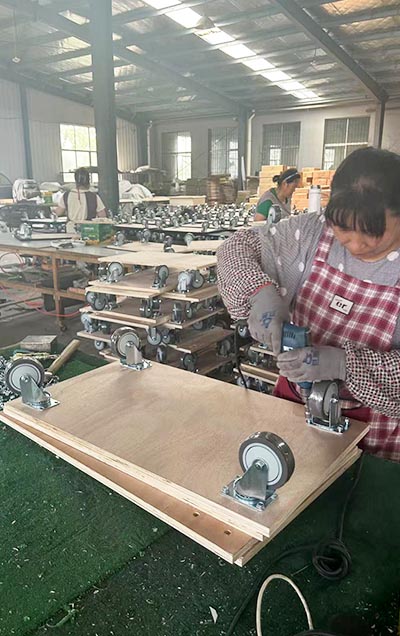
定義と役割
ツールカートの車輪は、カートやトロリーが表面を効率的に移動できるようにする転がり部品です。用途に合わせて、材質、サイズ、デザインが異なります。
- 回転ホイール:360°回転して機敏な動きが可能
- 固定車輪:前後に動かして安定した直線輸送を実現
適切な選択により、運用効率が確保され、ダウンタイムが短縮され、職場の事故が最小限に抑えられます。.
一般的な材料
| 材料 | 特徴 | 理想的な使用例 |
|---|---|---|
| ゴム | 柔らかく、騒音を軽減し、床を保護します | ワークショップ、自宅のガレージ |
| ポリウレタン | 耐久性、高荷重容量、耐薬品性 | 産業用カート、重機 |
| ナイロン | 硬くて転がり抵抗が低い | 滑らかな床、軽量カート |
| 金属/スチール | 非常に耐久性があり、高負荷のサポート | 製造現場、大型カート |
回転式ツールカートホイール
コンセプトとデザイン
スイベル ツールカートの車輪 垂直軸を中心に回転するように設計されており、車輪は360°旋回します。この旋回により、カートは比類のない機動性を発揮し、狭い作業場、混雑した工場、頻繁な方向転換が必要な場所に最適です。.
固定輪とは異なり、旋回輪は斜め方向や横方向への動きが可能で、カートを持ち上げたり移動させたりすることなく、コーナーや障害物を乗り越えることができます。中程度の負荷でもスムーズに回転できるよう、ベアリングやグリース潤滑式のキャスターが組み込まれていることが多いです。.
専門家の見解:
マーク・トンプソン、産業モビリティコンサルタント: “「コンパクトな作業場のセットアップでは、回転ホイールにより、コーナーや障害物を通過するのに必要な労力が少なくなるため、オペレーターの負担が 30% 以上軽減されます。」”
利点
- 狭い空間での優れた操縦性
旋回車輪によりカートは所定の位置で回転し、限られたスペースでも180°または360°の旋回が可能になります。これは、スペースが限られている整備工場、自動車整備工場、組立ラインなどにとって非常に重要です。. - 障害物の周りを簡単に移動
これらの車輪は、カートを手動で持ち上げたり、位置を変えたりすることなく、機械、作業台、その他の障害物の周りを滑るように移動できるため、ダウンタイムや職場の事故が削減されます。. - ダイナミックなワークショップ環境に最適
回転ホイールは、ツール配布エリアやペースの速い生産ラインなど、カートがステーション間を頻繁に移動するシナリオに最適です。. - 多様な荷重方向
多くの回転ホイールには、重い荷物を積んだ状態でホイールを真っ直ぐな位置に固定できるロック機構やブレーキが備わっており、可動性と安定性の間で柔軟性を提供します。.
デメリット
- 非常に重い負荷がかかると安定性が低下する
非常に重い機器や資材を運搬する場合、固定車輪と適切にバランスが取れていないと、回転車輪がぐらついたり漂ったりする可能性があり、不均一な摩耗や転倒の危険を引き起こす可能性があります。. - 固定ホイールと組み合わせないとドリフトする可能性がある
ハイブリッド構成でない場合、旋回車輪は傾斜面や凹凸のある床面でのカートの制御性を損なう可能性があります。適切なレイアウト(通常は旋回車輪を前輪に、後輪を固定車輪に配置する)により、この問題は解決されます。. - 固定ホイールに比べて若干コストが高い
高品質の回転ホイールには、ボールベアリング、ポリウレタンのトレッド、頑丈なキャスターが組み込まれていることが多く、単純な固定ホイールよりも高価になります。.
最適なアプリケーション
- 産業現場における組立ラインツールカート
回転ホイールにより、作業を停止せずに生産ラインに沿ってカートを迅速に再配置できるため、ワークフローの中断が軽減されます。. - DIY愛好家のための小型ワークショップカート
コンパクトな回転ホイールにより、狭いベンチや棚の周りを簡単に移動できるため、自宅のワークショップやメーカースペースに最適です。. - メンテナンスエリアの移動式ツールステーション
技術者が機器やツールを頻繁に移動する施設では、回転ホイールによりサービス ポイント間のスムーズな移動が可能になります。.
プロのヒント: 騒音の多い環境や傷がつきやすい床には、ポリウレタン製またはゴム製の回転ホイールをご使用ください。耐久性と耐荷重性が重視される、滑らかな工業用床には、ナイロン製または金属製の回転ホイールが適しています。.
固定式ツールカートホイール
コンセプトとデザイン
修理済み ツールカートの車輪 前進または後進のみに動くように設計されています。この設計は直進安定性、耐荷重性、そして制御性を重視しており、重量級のカートには不可欠です。.
固定車輪は、車輪軸が移動方向と一直線になっているため、横圧を最小限に抑えることができ、より大きな荷重を支えることができます。また、旋回車輪と組み合わせて、機動性と安定性のバランスをとったハイブリッド構成を形成することもよくあります。.
利点
- 重い荷物でも高い安定性
固定車輪は、重い荷物を運ぶカートに安全な直線経路を提供し、転倒の危険性と車輪の摩耗を軽減します。. - 制御された直線運動
これらの車輪はドリフトを防ぎ、長いカートを通路やコンベアラインに沿って移動させやすくします。. - 低コストとシンプルな設計
固定ホイールは機械的に単純なため、回転ホイールに比べて生産コストとメンテナンスの必要性が減ります。. - 産業用途に耐える耐久性
多くの固定ホイールはポリウレタン、ナイロン、またはスチールで作られており、摩耗、化学薬品、粗い床面に対して高い耐性を備えています。.
デメリット
- 操縦性が限られている
固定車輪は回転や旋回ができません。狭い場所では、方向転換のためにカートを持ち上げたり、位置を変えたりする必要があり、作業の遅延につながる可能性があります。. - 狭いスペースには適していません
狭いレイアウトの作業場やガレージでは、固定された車輪だけではナビゲーションが面倒になります。. - 360°回転できません
回転機構がないと、カートの移動は直線に制限され、動的な環境での柔軟性が制限されます。.
最適なアプリケーション
- 倉庫内の長くまっすぐな通路
固定ホイールは、中断のない経路に沿って重いアイテムを正確に輸送できるため、保管および回収システムに最適です。. - 頑丈なユーティリティカート
大型の機械部品や工業用工具を運ぶカートは固定車輪の安定性により転倒の危険性を最小限に抑えることができます。. - 大型機器を運ぶメンテナンスカート
固定された車輪により、重いメンテナンスツールや電気機器は輸送中にも安全な状態を保ちます。.
プロのヒント: 固定ホイールと前部の 2 つの回転ホイールを組み合わせて、安定性と操作性の両方を最大化するハイブリッド セットアップを作成します。.
ハイブリッドホイール構成
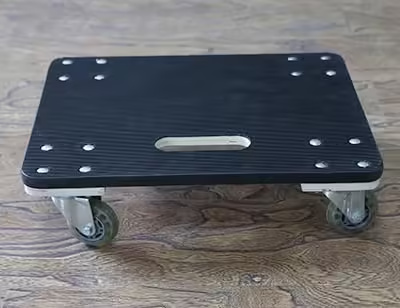
ほとんどのプロ用ツールカートでは、回転ホイールと固定ホイールの組み合わせが使用されています。
- 固定ホイール2個 + 回転ホイール2個: 安定性と敏捷性のバランス
- 4つの回転ホイール: 操縦性は最大限に高まりますが、慎重な荷重配分が必要です
- 4つの固定輪: 最大の安定性、限られた旋回能力
専門家の見解:
ワークショップデザイナー、マイク・ジョンソン: “「ハイブリッド構成は、ほぼすべての業務用カートに最適です。旋回輪でナビゲーションを、固定輪で重い荷物を運びます。」”
耐荷重と耐久性
輪荷重の計算方法
式:車輪あたりの荷重=車輪の数カートの総重量+荷重
- 小型カート:1輪あたり50~150kg
- 中型産業用カート:1輪あたり150~300kg
- 大型カート:1輪あたり300~500kg
素材の耐久性
| 材料 | 寿命(時間) | 耐摩耗性 | 注記 |
|---|---|---|---|
| ゴム | 2000~3000年 | 適度 | 柔らかく、粗い床でも磨耗しにくい |
| ポリウレタン | 4000~6000 | 高い | 耐薬品性、耐摩耗性 |
| ナイロン | 3000~5000 | 高い | 滑らかな床にのみ適しています |
| 金属/スチール | 8000+ | 非常に高い | 長持ち、騒音が大きく、重い |
表面に関する考慮事項
- コンクリートまたは工業用床: ポリウレタンまたはナイロン製のホイール
- 木製の床またはタイル: ゴム製の車輪が傷や騒音を防ぎます
- 屋外での使用: 耐候性ポリウレタンまたはゴム
メンテナンスとトラブルシューティング
クリーニング
- 定期的にゴミを取り除く
- 挟まったネジや金属片がないか確認する
潤滑
- 旋回輪:2~3ヶ月ごとにベアリングにグリースを塗る
- 固定ホイール:最小限の潤滑が必要
検査
- トレッドにひび割れ、摩耗の不均一、変形がないか確認する
- 事故を防ぐために摩耗したホイールを速やかに交換してください
実践的な応用とケーススタディ
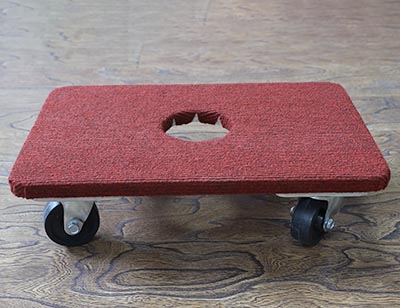
ワークショップの例
- 2つの回転ホイールと2つの固定ホイールを備えたハイブリッドカート
- 200kgの工具を運ぶ
- 社内調査によると、40% によるオペレーターの疲労軽減
ガレージユーティリティカート
- エンジンメンテナンス用の4輪スイベルセットアップ
- 狭い場所でもスムーズに移動
- ポリウレタンホイールはコンクリートの損傷を防ぎます
産業組立ライン
- 前輪は頑丈な固定輪、後輪は回転輪
- 500kgの荷重に耐える
- 直線効率を維持しながらコーナリングの柔軟性も提供します
比較表:回転式と固定式 ツールカートの車輪
| 特徴 | 回転ホイール | 固定ホイール | 最適なユースケース |
|---|---|---|---|
| モビリティ | 360°回転 | 前進/後進のみ | 狭いスペース vs 直線 |
| 安定性 | 適度 | 高い | 重い荷物、長い通路 |
| 耐荷重 | 中〜重 | 重い | ワークショップ vs 産業用カート |
| 床保護 | 適度 | 高い | 敏感な表面 |
| メンテナンス | 適度 | 低い | ベアリングを定期的に潤滑する |
| 料金 | より高い | より低い | 予算とプレミアム設定 |
専門家の洞察
サラ・キム、産業エンジニア:
“「正しい選択 ツールカートの車輪 移動性だけが重要ではありません。床の種類、荷重、素材はすべて、長期的な耐久性と安全性に影響を与えます。」”
ワークショップ コンサルタント、ジェームズ ピーターソン:
“「ハイブリッド構成が最適です。前輪は旋回性に優れ、後輪は特に重い荷物を積載した際の安定性を確保するために固定輪を採用しています。」”
最後に
正しい選択 ツールカートの車輪 直接影響するもの:
- 安全性と人間工学
- 荷役効率
- カートの寿命
- メンテナンス要件
高品質のホイールに投資し、適切な素材を選び、ハイブリッド構成を採用することで、最適なパフォーマンスを実現できます。適切なメンテナンスと点検を行うことで、カートの信頼性と効率性を長年にわたって維持できます。.
よくある質問
質問1: 1 台のカートに異なるホイール素材を混在させることはできますか?
答え: はい、ただし、不均一な摩耗を防ぐために重量の配分と床の種類を考慮する必要があります。.
質問2: いつ交換すべきかを知るには ツールカートの車輪?
答え: 摩耗したトレッド、ぐらつき、またはステアリングの難しさは明らかな兆候です。.
質問3: すべての回転ホイールは自動ロック式ですか?
答え: 必ずしもそうではありません。一部の工業用回転車輪には、カートを安定させるためのロック機構が備わっています。.
質問4: ツールカートの車輪は屋外でも使用できますか?
答え: はい、耐久性のために耐候性ポリウレタンまたはゴムを選択してください。.
質問5: ツールカートのホイールの寿命を最大限に延ばすにはどうすればよいですか?
答え: 定期的な清掃、潤滑、負荷の順応により、寿命は大幅に延びます。.
会話を続けましょう!
この記事はいかがでしたか?業界の洞察、リアルタイムの議論、そして限定最新情報をお届けするコミュニティにぜひご参加ください。こちらからアクセスしてください:
→ フェイスブック: 青島金華陽工貿株式会社
→ ユーチューブ: キンカヨ産業貿易
一緒にイノベーションを探求しましょう。今すぐつながりましょう。
 Japanese
  English
  French
  Spanish
  German