
Blog Key Points:
- Comparison between wood dollies and metal dollies for home and workshop use
- Key features and benefits of wood dollies
- Durability, weight, and cost considerations
- Practical tips for choosing the right dolly
- Maintenance, customization, and safety guidelines
- FAQ section addressing common user concerns
Table des matières
Introduction
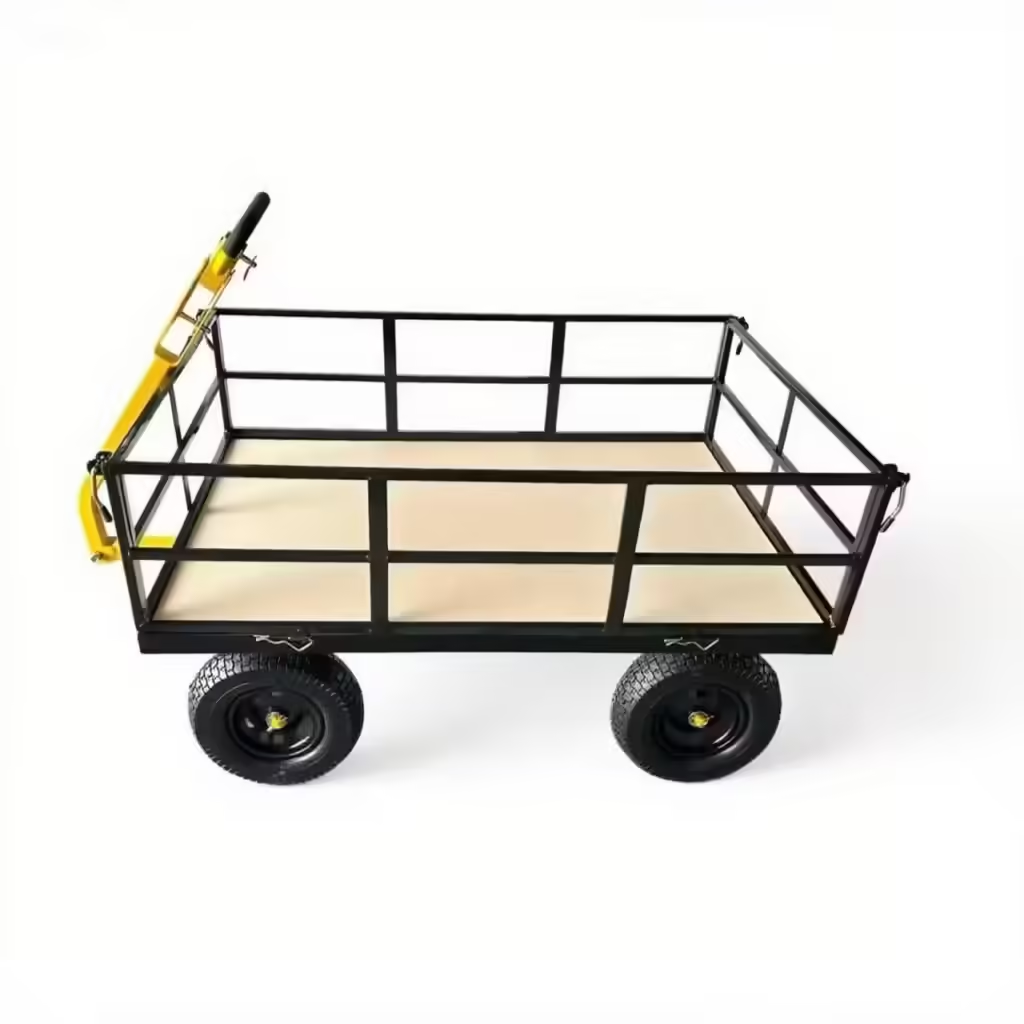
Moving heavy items doesn’t have to be a struggle. Whether you’re rearranging furniture at home, managing a workshop, or transporting products in a warehouse, the right dolly can make the difference between a smooth operation and a back-breaking experience.
Wood dollies, in particular, offer a classic, versatile option. Lightweight, cost-effective, and customizable, they are an attractive choice for homeowners and small businesses. However, metal dollies dominate in durability, heavy-duty tasks, and industrial settings. Choosing between them requires understanding not only their differences but also how each type aligns with your specific needs.
In this guide, we’ll explore every aspect of wood dollies, compare them to metal alternatives, and provide actionable advice for selecting, maintaining, and using the best dolly for your tasks.
Pourquoi Wood Dollies Are Popular
Concept: Lightweight and Easy to Handle
Wood dollies generally weigh 10-25% less than comparable metal dollies. This makes them ideal for small-scale moving tasks. A typical small wood dolly with four swivel casters weighs around 12-15 lbs, while a metal version of the same size can exceed 20 lbs.
Concept: Cost-Effective Solution
Wood dollies cost between $30-$80 depending on size and wheel quality, while metal dollies for similar applications may range from $60-$150. This makes wood dollies a budget-friendly choice for homeowners or casual users.
Concept: Customizable and Repairable
Wood allows for DIY modifications. You can add non-slip surfaces, larger wheels, or reinforcement brackets easily. Minor damage, such as a cracked plank, can be repaired with wood glue or replacement planks, extending the dolly’s lifespan.
Advantages of Metal Dollies
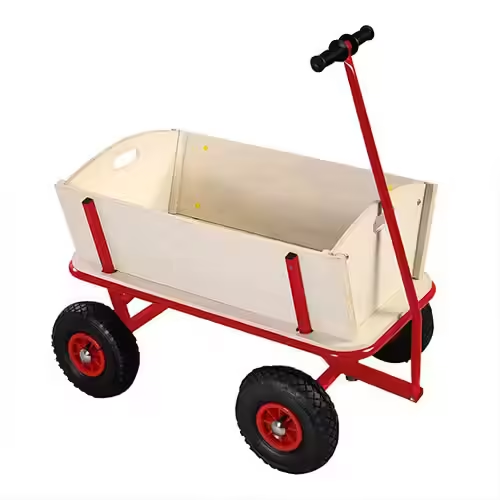
Concept: High Durability
Metal dollies can support up to 800-1000 lbs, depending on construction and wheel type. Steel or aluminum frames resist bending and are highly reliable in commercial or industrial environments.
Concept: Handles Heavy Loads
For tasks like moving heavy appliances or industrial equipment, metal dollies are preferable due to their higher load-bearing capacity. Some industrial metal dollies can hold over 1 ton safely.
Concept: Low Maintenance
Metal is resistant to moisture, warping, and cracking. A simple wipe-down and occasional lubrication of wheels is usually sufficient, making maintenance minimal compared to wood dollies.
Wood Dollies vs Metal Dollies: Key Differences
| Fonctionnalité | Wood Dollies | Metal Dollies |
|---|---|---|
| Poids | 12-25 lbs (lightweight) | 20-50 lbs (heavier) |
| Coût | $30-$80 | $60-$150 |
| Durabilité | Moderate; prone to cracks and warping | Very durable; heavy loads supported |
| Entretien | Requires occasional sealing/repair | Low; occasional lubrication |
| Personnalisation | Easy to modify | Limité |
| Capacité de charge | 150-500 lbs | 500-1000+ lbs |
| Utilisation idéale | Home, light workshop, DIY projects | Commercial, industrial, frequent use |
How to Choose the Right Dolly
Consider the Load Weight
Wood dollies are suitable for items under 500 lbs. If you regularly move heavier furniture or machinery, metal is safer.
Space and Storage Needs
Wood dollies are generally stackable and compact, making them ideal for home storage. Metal dollies can be bulkier, requiring dedicated storage space.
Frequency of Use
- Occasional home use → wood dolly
- Daily, heavy-duty, or industrial use → metal dolly
Compatibilité de surface
- Wood dollies → smooth floors (tile, laminate, hardwood)
- Metal dollies → rough surfaces (concrete, outdoor pavement)
Concept: Ergonomics and Handling
Wood dollies are easier to maneuver due to their lighter weight. For frequent users, ergonomically designed handles et roulettes pivotantes improve efficiency and reduce injury risk.
Practical Tips for Using Wood Dollies

Protect Floors
Place a thin mat under the dolly to prevent scratches on hardwood or tile floors.
Check Wheel Quality
High-quality polyurethane or rubber wheels reduce friction and absorb shock, improving mobility and reducing floor damage.
Évitez la surcharge
Always adhere to weight limits. Overloading wood dollies can cause cracks, reduce lifespan, and risk injury.
Concept: Storage and Stackability
Many wood dollies feature foldable frames or removable wheels to save space when not in use.
Industry Insights and Case Studies
Usage domestique
In a recent survey, 65% of homeowners preferred wood dollies for light furniture moving due to affordability and ease of handling.
Workshops and Studios
Craft workshops often use wood dollies for transporting tools and materials because they are customizable and lightweight, while metal dollies are reserved for heavier machinery.
Commercial and Industrial Applications
- Metal dollies dominate warehouses and factories, where daily heavy load handling is required.
- Average metal dolly in warehouses supports 800-1000 lbs per unit and lasts 5-7 years with minimal maintenance.
DIY and Customization Ideas
Adding Non-Slip Surfaces
Use rubber mats or textured tape on the dolly surface to prevent items from sliding.
Reinforcing for Heavier Loads
Adding metal brackets or additional wooden planks can increase load capacity without compromising maneuverability.
Creative Uses
- Turn a small wood dolly into a mobile plant stand
- Use multiple dollies for temporary shelving or storage carts
Wood Dollies Safety Guidelines
Inspect Before Each Use
Check wheels, axles, and wood planks for cracks or loosened screws.
Distribute Weight Evenly
Place heavier items near the dolly’s center to maintain balance and avoid tipping.
Use Proper Lifting Techniques
Even with a dolly, always bend knees and keep your back straight when loading or unloading items.
Comparisons and Conceptual Insights

Longevity vs Affordability
- Wood dollies → cheaper upfront, moderate lifespan
- Metal dollies → higher initial cost, longer lifespan
Indoor vs Outdoor Usage
- Wood dollies → best for indoor floors; sensitive to moisture
- Metal dollies → versatile for indoor and outdoor, moisture-resistant
Customization vs Standardization
- Wood dollies → can be customized with tools and DIY techniques
- Metal dollies → limited modifications; generally ready-to-use
FAQ
Can wood dollies handle heavy furniture?
Wood dollies are best suited for light to medium loads, typically up to 500 lbs. For heavier items, a metal dolly is safer.
Are wood dollies easier to repair than metal dollies?
Yes, minor cracks or broken planks can be repaired with wood glue or replacement pieces, while metal dollies may require welding or professional repair.
Do wood dollies damage floors?
With quality wheels and padding, wood dollies are generally safe for indoor floors. Avoid dragging heavy items across bare wood.
Which dolly type is more cost-effective long-term?
Wood dollies cost less initially, but metal dollies last longer, especially under heavy or frequent use.
Can I use a wood dolly outdoors?
Yes, but avoid prolonged exposure to moisture, which can cause warping. Protective coatings extend outdoor lifespan.
How do I maintain a wood dolly?
Sand rough edges, tighten screws, seal the wood with varnish or polyurethane, and lubricate wheels.
Are there eco-friendly wood dollies?
Yes, many manufacturers use sustainably sourced wood and non-toxic finishes to make environmentally friendly dollies.
Final Thoughts: Choosing the Right Dolly for Your Needs
Choosing the right dolly depends on:
- Weight of items – wood for light, metal for heavy
- Frequency of use – occasional vs daily
- Surface type – indoor smooth vs rough/outdoor
- Budget and lifespan – initial cost vs long-term durability
Wood dollies are versatile, affordable, and DIY-friendly, perfect for homeowners, hobbyists, and small workshops. Metal dollies, on the other hand, are robust, long-lasting, and ideal for industrial use.
Understanding your specific moving tasks, storage constraints, and maintenance willingness ensures you make an informed choice, improving efficiency, safety, and overall satisfaction.
Continuez la conversation !
Vous avez aimé cet article ? Rejoignez notre communauté pour plus d'informations sur le secteur, des discussions en temps réel et des actualités exclusives. Retrouvez-moi ici :
→ Facebook: Qingdao Kinkayo Industrie et Commerce Co., Ltd.
→ YouTube : Industrie et commerce de Kinkayo
Explorons ensemble l’innovation – connectez-vous maintenant !
 French
  English
  Japanese
  Spanish
  German