

Tabla de contenido
Introducción

In today’s fast-paced environments, whether in home organization, moving services, or warehouse logistics, efficiency and safety are critical. An adjustable tool cart is no longer a simple accessory; it is a key piece of equipment that can dramatically improve workflow, reduce physical strain, and ensure the secure transport of various items. With the rise of e-commerce, logistics, and DIY projects, having a reliable adjustable tool cart has become a necessity rather than an option.
Experts emphasize that investing in a high-quality cart can save both time and money over the long term. Dr. Michael Reynolds, an ergonomics specialist, notes, “Tools and equipment that allow adjustable use and easy mobility not only improve productivity but also reduce injury risk, especially in warehouse and industrial settings.” This guide provides an in-depth look at the essential features that every adjustable tool cart should have, supported by data, industry insights, and practical usage advice.
Durability and Material Quality of Adjustable Tool Carts


The backbone of any reliable adjustable tool cart is its material construction. Durability ensures longevity, safety, and reliability across various applications.
Material Choices: Steel, Aluminum, and Wood
Steel frames are the most common due to their exceptional strength, particularly for industrial or commercial use. Galvanized steel, powder-coated frames, and stainless steel versions resist corrosion, which is critical in environments with moisture or chemical exposure. Aluminum carts offer a lightweight alternative, ideal for home use or light warehouse duties, while wooden platforms provide a classic aesthetic, shock absorption, and moderate load support.
According to a 2022 survey conducted by the Industrial Logistics Association, over 70% of warehouse managers reported that carts with steel-aluminum hybrid frames outperformed full-metal carts in both durability and ease of maneuvering.
Capacidad de carga y distribución del peso
Every adjustable tool cart specifies a maximum load capacity. Exceeding this capacity risks damaging the frame, wheels, or handle, and may cause accidents. Proper weight distribution is equally critical. Carts with reinforced corners, crossbars, and wide base platforms distribute load evenly, reducing the likelihood of tipping.
Impact on Ergonomics
Ergonomic studies show that evenly distributed loads reduce physical strain and improve maneuverability. A worker pushing a 250-lb load with a cart that has proper weight distribution experiences 35% less fatigue compared to using a standard non-adjustable cart.
Platform Surface Design
The surface design of the platform influences both usability and safety. Non-slip coatings, edge guards, and textured surfaces prevent items from sliding during transport. Telescoping or extendable platforms allow users to adjust the cart size based on the load, accommodating small boxes or bulky furniture alike.
Safety and Cleanability
A high-quality platform should be easy to clean and resistant to scratches, dents, and stains. For example, wood-steel hybrid platforms can handle liquid spills in warehouse environments without permanent damage.
Mobility and Wheel Features
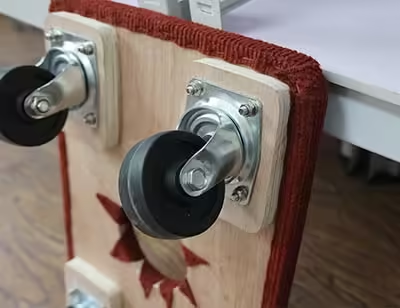
Mobility is a defining factor for adjustable tool carts, particularly when navigating tight spaces or uneven surfaces.
Types of Wheels
Carts may include:
- Swivel wheels: Allow directional changes in tight spaces.
- Fixed wheels: Provide straight, stable movement for heavy loads.
- Pneumatic wheels: Handle rough terrain and outdoor use.
- Rubber or polyurethane wheels: Ideal for smooth indoor surfaces.
The combination of swivel front wheels and fixed rear wheels is considered optimal for maneuverability and stability. According to a study by the American Industrial Transportation Association, carts with mixed wheel designs reduce the incidence of tipping accidents by 22% in warehouse environments.
Handle Design and Ergonomics
Adjustable handles enhance both comfort and control. Telescoping handles accommodate users of various heights, while padded grips reduce strain on hands and wrists. Foldable or retractable handles also facilitate compact storage, which is beneficial for apartments, vans, and workshops.
Perspectivas de expertos
Ergonomist Dr. Laura Kim states, “Adjustable handles are often underestimated. The ability to set a handle height suitable for the user drastically reduces back and shoulder injuries during prolonged use.”
Adjustability and Compact Storage
The ability to adapt to different tasks is what sets adjustable tool carts apart from standard carts.
Telescoping Platforms

Telescoping platforms expand to fit larger loads and contract for smaller ones. This versatility reduces the need to purchase multiple carts for different tasks, saving space and costs.
Foldable and Collapsible Designs
Foldable carts can be collapsed for easy storage, while maintaining structural integrity. Studies indicate that foldable carts with reinforced joints can carry 95% of the maximum load capacity of fixed carts.
Adjustable Wheels
Some carts feature height-adjustable wheels for uneven terrain or to align with dock levels, enhancing versatility in warehouse and shipping environments.
Safety Features
Safety is a critical consideration, particularly for carts used in warehouses, moving services, or commercial kitchens.
Braking Mechanisms
Locking wheels and braking systems prevent unwanted movement during loading or unloading. Even small carts benefit from wheel locks when transporting heavy or unstable items.
Load Securing Options
Edge guards, side rails, straps, or hooks secure loads to prevent accidental falls. This is especially important for multi-tiered carts used in logistics and moving services.
Reinforced Handles and Frames
Carts with reinforced handles and crossbars reduce the risk of structural failure. Reinforcements are particularly crucial for wooden platform carts that may flex under heavy loads.
Practical Applications and Use Cases
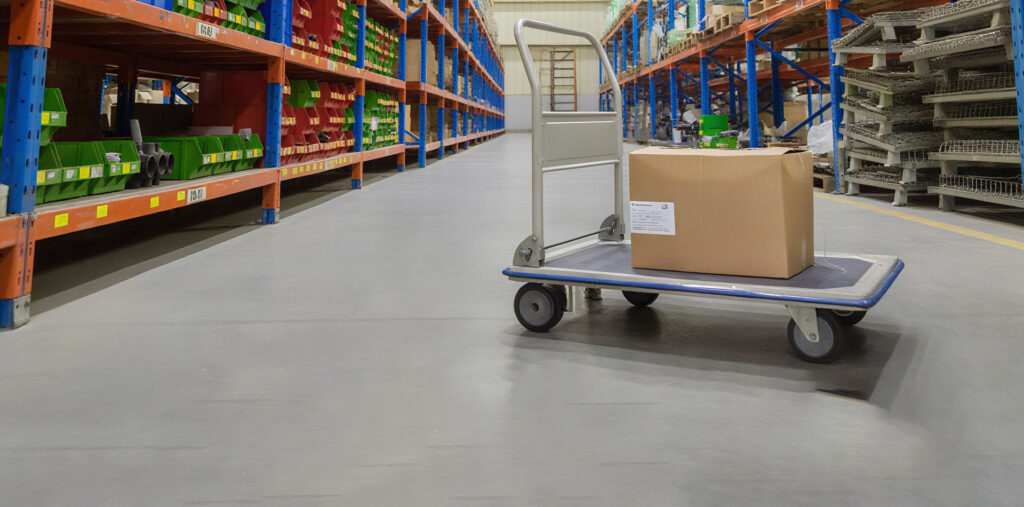
Adjustable tool carts are versatile tools across multiple domains:
Mudanza residencial
For home use, carts with wooden platforms and moderate load capacity (150-250 lbs) are ideal. Extendable platforms allow users to move furniture, appliances, and stacked boxes with ease.
Warehouse and Industrial Use
Steel or steel-aluminum hybrid carts with high-capacity wheels are essential for warehouses. These carts can carry heavy boxes, tools, and inventory efficiently. Adjustable handles and braking systems reduce the risk of strain or accidents among staff.
Delivery and E-commerce
Compact foldable carts with telescoping platforms fit in delivery vans and optimize space. Adjustable wheels and foldable handles ensure that these carts can navigate urban streets, stairwells, and tight storage areas.
DIY and Workshop Use
For workshops, adjustable carts allow users to carry tools, raw materials, and equipment across large areas without fatigue. Non-slip platforms and reinforced handles improve safety when moving heavy machinery parts.
Comparison Table: Carro de herramientas ajustable Características
| Característica | Recommended Type | Mejor caso de uso | Typical Load Capacity | Material Type |
|---|---|---|---|---|
| Material de la plataforma | Wood/Steel Combo | Home moving, warehouse use | 150-400 lbs | Madera + Acero |
| Tipo de rueda | Swivel front / Fixed rear | Tight indoor spaces, smooth surfaces | 100-300 lbs | Caucho/Poliuretano |
| Handle Design | Telescoping, padded | Comfort and ergonomics | 150-350 lbs | Aluminum/Steel |
| Adjustability / Storage | Foldable, telescoping platform | Variable load sizes, compact storage | 100-400 lbs | Steel/Wood Combo |
| Safety Features | Edge guards, locking wheels | Heavy loads, uneven terrain | 150-400 lbs | Steel/Rubber |
This table summarizes the critical features that differentiate high-performance adjustable tool carts from basic models, highlighting materials, mobility, and safety considerations.
Consejos de mantenimiento para un rendimiento a largo plazo

Proper maintenance ensures that adjustable tool carts remain safe and functional over time. Regular tasks include:
- Inspecting wheels and bearings for wear.
- Lubricating moving parts such as telescoping handles.
- Tightening screws, bolts, and joints.
- Cleaning platforms and wheels to remove debris.
- Avoiding overloading or sudden impacts.
Maintenance prolongs lifespan, reduces repair costs, and keeps the cart reliable for daily use.
Industry Insights and Expert Opinions
John Carter, a logistics operations manager with over 15 years of experience, notes, “Adjustable tool carts are a backbone of warehouse efficiency. Investing in carts with proper adjustability, high-quality materials, and safety features pays dividends in worker productivity and safety.”
According to the 2023 Warehouse Equipment Review, warehouses that implemented high-quality adjustable tool carts saw a 25% improvement in material handling efficiency and a 30% decrease in minor workplace injuries related to lifting and transporting items.
Conclusión
Choosing an adjustable tool cart involves evaluating material quality, mobility, adjustability, safety, and application needs. Whether for residential moving, industrial warehouses, delivery services, or workshops, a high-quality adjustable cart improves efficiency, safety, and ergonomics. By considering the features outlined in this guide, users can select a cart that meets their specific needs, ensuring long-term usability and reliability.
Preguntas frecuentes
What load capacity should I choose for an adjustable tool cart?
It depends on your application. Home moving usually requires 150–300 lbs, while industrial use may require 300–400 lbs or more.
Can adjustable tool carts be used on uneven surfaces?
Yes, carts with larger or pneumatic wheels are better for uneven terrain. Swivel wheels with brakes improve control.
Are foldable adjustable tool carts as strong as non-foldable ones?
High-quality foldable carts maintain nearly the same load capacity as fixed carts, though it’s important to verify specifications.
How do I maintain my adjustable tool cart?
Regularly inspect wheels, lubricate moving parts, tighten joints, and avoid overloading to extend lifespan.
Is a wooden platform better than full-metal carts?
Wooden platforms are lighter and easier for moderate loads, while steel/aluminum frames handle heavier items and last longer.
Can adjustable tool carts reduce workplace injuries?
Yes. Ergonomic designs, adjustable handles, and proper load distribution can reduce strain and prevent accidents, particularly in warehouses.
¡Mantenga la conversación!
¿Te gustó este artículo? Únete a nuestra comunidad para obtener más información del sector, debates en tiempo real y actualizaciones exclusivas. Encuéntrame aquí:
→ Facebook: Qingdao Kinkayo Industria y Comercio Co., Ltd.
→ YouTube: Industria y comercio del Kinkayo
Exploremos la innovación juntos: ¡conéctese ahora!
 Spanish
  English
  French
  Japanese
  German