
Inhaltsverzeichnis
Einführung
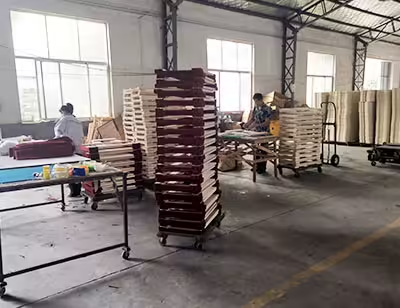
Transportwagen für das Lager Der Einsatz von Flurförderzeugen ist für die Materialhandhabung unverzichtbar. Sie unterstützen die Mitarbeiter beim effizienten Warentransport und reduzieren den manuellen Arbeitsaufwand. Trotz ihrer Vorteile können unsachgemäße Verwendung oder die Vernachlässigung von Sicherheitsvorkehrungen zu Unfällen, Verletzungen und Produktschäden führen. Sicherheit in Lagerumgebungen hat höchste Priorität, da selbst kleinere Zwischenfälle den Betrieb stören und die Kosten erhöhen können.
In diesem Artikel behandeln wir die vier wichtigsten Sicherheitsaspekte für den Einsatz von Transportwagen im Lager. Durch das Verständnis dieser Faktoren können Lagerleiter, Bediener und Mitarbeiter Unfälle vermeiden, reibungslose Arbeitsabläufe gewährleisten und die Langlebigkeit der Geräte sicherstellen.
Überlegung 1: Tragfähigkeit und Gewichtsverteilung für Transportwagen für das Lager
Die erste wichtige Sicherheitsüberlegung ist das Verständnis der Tragfähigkeit eines Transportwagens im Lagerbetrieb. Eine Überladung kann zum Umkippen, Radbruch oder strukturellen Schäden führen und somit sowohl die Bediener als auch die gelagerten Güter gefährden.
Ebenso wichtig ist die Gewichtsverteilung. Selbst wenn das Gesamtgewicht die maximale Tragfähigkeit nicht überschreitet, können ungleichmäßig beladene Transportwagen instabil werden. Beispielsweise kann das Platzieren schwerer Gegenstände auf einer Seite dazu führen, dass der Wagen während der Bewegung kippt oder umkippt, insbesondere beim Manövrieren auf Rampen oder in engen Kurven. Bediener sollten die Herstellerangaben zu den Tragfähigkeitsgrenzen beachten und das Gewicht gleichmäßig auf der Plattform verteilen. Bei sperrigen oder unregelmäßig geformten Gegenständen kann die Sicherheit durch die Verwendung von Spanngurten oder die Aufteilung der Ladung auf mehrere Transportwagen weiter erhöht werden.
Überlegung 2: Radqualität und Wartung Transportwagen für das Lager
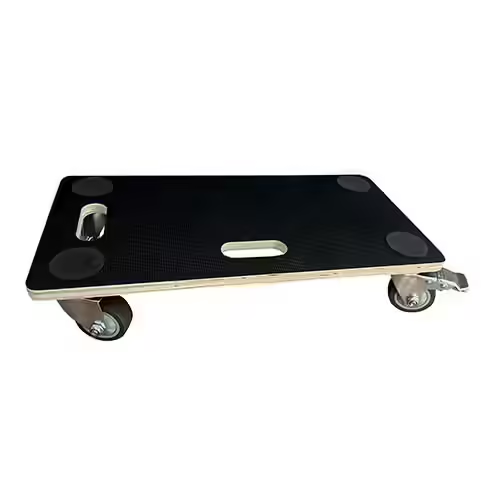
Die Leistungsfähigkeit und Sicherheit eines Lagerwagens hängen maßgeblich von seinen Rädern ab. Hochwertige Räder mit einwandfreien Lagern reduzieren die Reibung, ermöglichen eine reibungslose Bewegung und minimieren die Belastung der Bediener. Abgenutzte oder beschädigte Räder hingegen erhöhen das Unfallrisiko, insbesondere auf unebenem Untergrund.
Regelmäßige Inspektion und Wartung sind unerlässlich. Die Räder sollten auf Risse, Verformungen und Ablagerungen überprüft werden. Durch Schmieren der Lager und Austausch verschlissener Teile lassen sich plötzliche Ausfälle vermeiden, die zum Umkippen oder unkontrollierten Bewegen führen können. In Lagerhallen mit unterschiedlichen Bodenbelägen sorgt die Auswahl geeigneter Räder – beispielsweise Polyurethan für Beton oder Gummi für Fliesen – für bessere Traktion und geringere Geräuschentwicklung.
Überlegung 3: Ergonomisches Design und Bedienersicherheit für Transportwagen im Lager
Ergonomie ist ein weiterer entscheidender Faktor für die Sicherheit von Transportwagen. Schlecht gestaltete Griffe, eine falsche Höhe oder eingeschränkte Manövrierbarkeit können zu Ermüdung des Bedieners, RSI-Syndromen und Unfällen führen. Ein Transportwagen für den Lagereinsatz sollte ein komfortables Schieben oder Ziehen ohne übermäßigen Kraftaufwand ermöglichen.
Ergonomische Griffe, leichtgängige Räder und eine optimale Plattformhöhe tragen zu mehr Sicherheit bei. Schulungen des Personals zu korrekten Handhabungstechniken, wie der beidhändigen Nutzung, einer geraden Körperhaltung und dem Vermeiden scharfer Kurven, reduzieren das Verletzungsrisiko. Darüber hinaus verhindern Wagen mit Bremsen oder Feststellmechanismen unbeabsichtigte Bewegungen beim Be- und Entladen.
Vergleichstabelle: Wichtigste Sicherheitsmerkmale von Transportwagen für das Lager
| Sicherheitsfaktor | Mögliches Problem | Empfohlene Lösung | Nutzen |
|---|---|---|---|
| Tragfähigkeit und Gewichtsverteilung | Überlastung oder ungleichmäßige Belastung | Befolgen Sie die Richtlinien, verwenden Sie Rückhaltegurte. | Verhindert Umkippen und strukturelle Schäden |
| Radqualität und -wartung | Abgenutzte, rissige oder ungeeignete Räder | Regelmäßige Inspektion, geeigneten Typ auswählen | Reibungslose Bewegung, reduziertes Unfallrisiko |
| Ergonomisches Design und Bedienersicherheit | Mangelhaftes Design, Ermüdung des Bedieners | Verstellbare Griffe, Training, Bremsen | Reduziert die Belastung, verbessert die Kontrolle |
| Betriebsumfeld | Unordentliche oder unebene Oberflächen | Freie Wege schaffen, rutschfeste Räder verwenden | Sicherere Navigation und weniger Kollisionen |
Diese Tabelle fasst die wichtigsten Sicherheitsaspekte für Transportwagen im Lagerbereich zusammen und hebt praktische Lösungen sowie deren Vorteile hervor. Durch die Befolgung dieser Empfehlungen können Lager sowohl Effizienz als auch Sicherheit gewährleisten.
Überlegung 4: Umwelt- und Betriebsfaktoren für Transportwagen im Lager
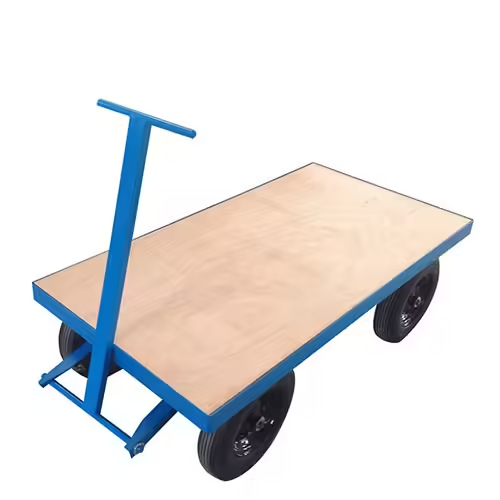
Sicherheit betrifft nicht nur den Transportwagen selbst, sondern auch die Lagerumgebung. Nasse oder rutschige Böden, unübersichtliche Gänge, schlechte Beleuchtung und enge Durchgänge erhöhen das Unfallrisiko. Ein Transportwagen im Lagerbetrieb arbeitet am besten, wenn den Bedienern ein freier und gut organisierter Arbeitsbereich zur Verfügung steht.
Regelmäßige Überprüfungen des Lagerlayouts, die Beseitigung von Hindernissen und eine ausreichende Beleuchtung können Kollisionen und Stolperfallen vermeiden. In Bereichen mit Gefällen oder Rampen verringern Transportwagen mit Bremssystemen oder zusätzlicher Unterstützung unkontrollierte Bewegungen. Zudem können extreme Temperaturen oder der Kontakt mit Chemikalien bestimmte Materialien der Transportwagen, wie z. B. Gummiräder oder Beschichtungen, angreifen und dadurch Sicherheit und Leistung beeinträchtigen.
Zusätzliche Strategien zur Verbesserung der Trolley-Sicherheit
Neben den vier Hauptaspekten gibt es weitere Maßnahmen, die Sicherheit und Effizienz verbessern. Ein vorbeugender Wartungsplan gewährleistet, dass die Transportwagen in optimalem Zustand bleiben. Die Kennzeichnung der Wagen mit maximalen Traglasten und die Schulung der Mitarbeiter in Notfallmaßnahmen stärken die Sicherheitskultur. Farbcodierte Transportwagen für verschiedene Materialien oder Abteilungen reduzieren Verwechslungen und optimieren die Arbeitsabläufe. Die Integration der Transportwagen in die allgemeinen Sicherheitsrichtlinien des Lagers gewährleistet die einheitliche Einhaltung bewährter Verfahren durch alle Teams.
Abschluss
A Wagen für Lager Der Einsatz von Transportwagen kann die Effizienz des Materialflusses deutlich verbessern, doch die Vernachlässigung von Sicherheitsaspekten kann zu Unfällen und Betriebsstörungen führen. Die Berücksichtigung von Tragfähigkeit, Radqualität, ergonomischem Design und Umgebungsfaktoren gewährleistet den Schutz von Bedienern und Gütern. In Kombination mit angemessener Schulung, Wartung und optimierten Arbeitsabläufen schaffen diese Maßnahmen ein sichereres und produktiveres Lagerumfeld. Sicherheit sollte bei der Einführung oder Modernisierung von Transportwagen stets oberste Priorität haben, um langfristige Zuverlässigkeit und Effizienz zu gewährleisten.
Häufig gestellte Fragen
Frage 1: Was ist die maximale Last a? Wagen für Lager Kann man das sicher tragen?
A1: Das hängt von den Herstellerangaben ab. Halten Sie sich stets an die empfohlenen Belastungsgrenzen und verteilen Sie das Gewicht gleichmäßig.
Frage 2: Wie oft sollten die Räder von Transportwagen überprüft werden?
A2: Die Räder sollten mindestens monatlich oder vor starker Beanspruchung überprüft werden. Abgenutzte oder beschädigte Räder müssen umgehend ausgetauscht werden.
Frage 3: Sind ergonomische Merkmale bei Transportwagen in Lagerhallen wirklich wichtig?
A3: Ja, ergonomische Griffe und die richtige Arbeitshöhe verringern die Ermüdung und das Verletzungsrisiko bei der täglichen Arbeit.
Frage 4: Wie können Umweltfaktoren die Sicherheit von Straßenbahnen beeinflussen?
A4: Nasse Böden, unübersichtliche Gänge oder Rampen erhöhen das Unfallrisiko. Freie Wege und die Wahl geeigneter Räder erhöhen die Sicherheit.
Frage 5: Sollten Einkaufswagen in Lagerhallen farblich gekennzeichnet oder beschriftet werden?
A5: Ja, die Kennzeichnung von maximalen Traglastgrenzen und die Farbcodierung von Transportwagen nach Abteilung oder Materialart helfen, Missbrauch und Verwechslungen zu vermeiden.
Halten Sie das Gespräch am Laufen!
Hat Ihnen dieser Artikel gefallen? Treten Sie unserer Community bei, um weitere Brancheneinblicke, Echtzeit-Diskussionen und exklusive Updates zu erhalten. Hier finden Sie mich:
→ Facebook: Qingdao Kinkayo Industrie und Handel Co., Ltd.
→ YouTube: Kinkayo Industrie und Handel
Lassen Sie uns gemeinsam Innovationen erkunden – verbinden Sie sich jetzt!
 German
  English
  French
  Japanese
  Spanish