
Wichtigste Punkte dieses Leitfadens:
- Umfassende Einführung in Dreh- und Feststellschrauben Werkzeugwagenräder
- Vorteile, Nachteile und beste Anwendungsbereiche der einzelnen Typen
- Hybrid-Radkonfigurationen für optimale Leistung
- Material-, Belastbarkeits- und Dauerhaftigkeitsanalyse
- Wartungstipps und Fehlerbehebung
- Anwendungsszenarien aus der Praxis in Werkstätten, Garagen und industriellen Umgebungen
- Experteneinblicke und Branchenempfehlungen
- Häufig gestellte Fragen (FAQ) mit Antworten auf gängige Fragen und Google-suchfreundliche Suchanfragen
- Vergleichstabellen und technische Spezifikationen
Inhaltsverzeichnis
Einführung

Jede Werkstatt, Garage oder Industrieanlage ist auf Werkzeugwagen angewiesen, um effizient und mobil zu arbeiten. Viele Anwender unterschätzen jedoch die Bedeutung von Werkzeugwagenräder im täglichen Betrieb. Die richtigen Räder können:
- Reduzierung der Bedienerermüdung
- Bodenschäden verhindern
- Gewährleisten Sie einen reibungsloseren und sichereren Transport schwerer Werkzeuge
- Lebensdauer und Leistung des Wagens steigern
Laut einer Umfrage von 2025 Forschung zur industriellen Mobilität, über 65% der Ausfälle von Werkzeugwagen in Werkstätten waren auf eine ungeeignete Radauswahl zurückzuführen.. Die Wahl zwischen Lenk- und Bockrädern ist eine wichtige Entscheidung, die Sicherheit, Manövrierfähigkeit und Lastverteilung beeinflusst. Dieser Leitfaden beleuchtet die Besonderheiten beider Radtypen detailliert und bietet Expertenempfehlungen sowie praktische Tipps.
Was sind Werkzeugwagenräder?
Definition und Rolle
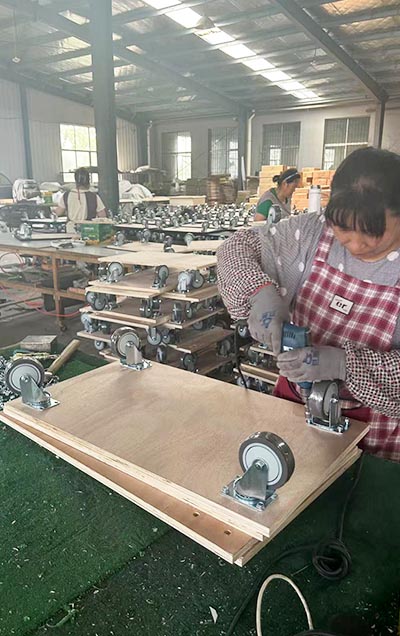
Die Räder von Werkstattwagen sind die rollenden Komponenten, die es Wagen und Transportwagen ermöglichen, sich effizient über verschiedene Oberflächen zu bewegen. Sie unterscheiden sich in Material, Größe und Design, um unterschiedlichen Anwendungsbereichen gerecht zu werden:
- Schwenkräder: Um 360° drehbar für agile Bewegung
- Feststehende Räder: Vorwärts-/Rückwärtsbewegung für stabilen, geradlinigen Transport
Die richtige Auswahl gewährleistet Betriebseffizienz, reduziert Ausfallzeiten und minimiert Arbeitsunfälle.
Gängige Materialien
| Material | Merkmale | Ideale Anwendungsfälle |
|---|---|---|
| Gummi | Weich, geräuschdämmend, Bodenschutz | Werkstätten, Garagen |
| Polyurethan | Langlebig, hohe Belastbarkeit, chemikalienbeständig | Industriewagen, schwere Werkzeuge |
| Nylon | Hart, geringer Rollwiderstand | Glatte Böden, leichte Wagen |
| Metall/Stahl | Extrem langlebige, hochbelastbare Unterstützung | Produktionshallen, Schwerlastwagen |
Schwenkbare Werkzeugwagenräder
Konzept und Design
Schwenken Werkzeugwagenräder Sie sind so konstruiert, dass sie sich um eine vertikale Achse drehen können, wodurch sich das Rad um 360° schwenken lässt. Diese Drehung verleiht den Wagen eine unübertroffene Manövrierfähigkeit und macht sie ideal für enge Werkstätten, überfüllte Industriehallen und Bereiche, in denen häufige Richtungswechsel erforderlich sind.
Im Gegensatz zu feststehenden Rädern ermöglichen Schwenkräder diagonale und seitliche Bewegungen, sodass man Ecken und Hindernisse umfahren kann, ohne den Wagen anheben oder neu positionieren zu müssen. Sie sind häufig mit Lagern oder Rollen mit Fettschmierung ausgestattet, um eine reibungslose Drehung auch unter mittleren Lasten zu gewährleisten.
Expertenmeinung:
Mark Thompson, Berater für industrielle Mobilität: “In kompakten Werkstattumgebungen reduzieren Schwenkräder die Belastung des Bedieners um mehr als 301 TP3T, da weniger Kraftaufwand zum Manövrieren um Ecken und Hindernisse erforderlich ist.”
Vorteile
- Außergewöhnliche Manövrierfähigkeit auf engstem Raum
Schwenkbare Räder ermöglichen es den Wagen, sich auf der Stelle zu drehen und so auch auf engstem Raum 180°- oder 360°-Wendungen auszuführen. Dies ist besonders wichtig für Wartungswerkstätten, Autohäuser und Montagelinien, wo der Platz begrenzt ist. - Einfache Navigation um Hindernisse herum
Dank dieser Räder können Maschinen, Werkbänke oder andere Hindernisse umfahren werden, ohne dass der Wagen manuell angehoben oder neu positioniert werden muss. Dadurch werden Ausfallzeiten und Arbeitsunfälle reduziert. - Geeignet für dynamische Werkstattumgebungen
Schwenkbare Räder eignen sich ideal für Szenarien, in denen Wagen häufig zwischen verschiedenen Stationen bewegt werden, beispielsweise in Werkzeugverteilungsbereichen oder in schnelllebigen Produktionslinien. - Flexible Lastausrichtung
Viele Lenkräder verfügen über Verriegelungsmechanismen oder Bremsen, die es ermöglichen, das Rad auch unter hoher Belastung in einer geraden Position zu arretieren und so ein flexibles Verhältnis zwischen Mobilität und Stabilität zu gewährleisten.
Nachteile
- Geringere Stabilität bei sehr hohen Lasten
Beim Transport von extrem schweren Geräten oder Materialien können Schwenkräder wackeln oder abdriften, wenn sie nicht richtig mit festen Rädern ausbalanciert sind, was unter Umständen zu ungleichmäßigem Verschleiß oder Kippgefahr führt. - Kann driften, wenn es nicht mit festen Rädern kombiniert wird.
Ohne eine Hybridkonfiguration können Schwenkräder die Wagenführung auf geneigten oder unebenen Böden beeinträchtigen. Eine geeignete Anordnung – typischerweise mit Schwenkrädern vorne und festen Rädern hinten – löst dieses Problem. - Etwas höhere Kosten im Vergleich zu festen Rädern
Hochwertige Schwenkräder verfügen oft über Kugellager, Polyurethanlaufflächen und Schwerlastrollen, wodurch sie teurer sind als einfache Feststellräder.
Beste Anwendungen
- Werkzeugwagen für Montagelinien in industriellen Umgebungen
Schwenkbare Räder ermöglichen ein schnelles Umpositionieren der Wagen entlang der Produktionslinien ohne Betriebsunterbrechung und reduzieren so Arbeitsablaufstörungen. - Kleine Werkstattwagen für Heimwerker
Die kompakten Schwenkräder ermöglichen es dem Benutzer, sich problemlos um enge Werkbänke und Regale herum zu bewegen, wodurch sie sich ideal für Heimwerkstätten oder Maker Spaces eignen. - Mobile Werkzeugstationen in Wartungsbereichen
In Einrichtungen, in denen Techniker häufig Geräte oder Werkzeuge umstellen, ermöglichen Schwenkräder eine reibungslose Bewegung zwischen den Einsatzorten.
Profi-Tipp: Für laute Umgebungen oder kratzempfindliche Böden eignen sich Lenkrollen aus Polyurethan oder Gummi. Nylon- oder Metall-Lenkrollen sind besser geeignet für glatte, industrietaugliche Böden, bei denen Langlebigkeit und Belastbarkeit im Vordergrund stehen.
Feststehende Werkzeugwagenräder
Konzept und Design
Behoben Werkzeugwagenräder Sie sind so konstruiert, dass sie sich nur vorwärts oder rückwärts bewegen können. Diese Konstruktion legt Wert auf Geradeauslaufstabilität, Tragfähigkeit und Kontrolle und macht sie daher unverzichtbar für Schwerlastwagen.
Feststehende Räder tragen oft größere Lasten, da die Radachse in Bewegungsrichtung verläuft und so den Seitendruck minimiert. Sie werden häufig mit Schwenkrädern kombiniert, um eine Hybridkonfiguration zu schaffen, die Mobilität und Stabilität optimal vereint.
Vorteile
- Hohe Stabilität bei schweren Lasten
Feststehende Räder sorgen für eine sichere, geradlinige Fahrspur für Wagen mit erheblichem Gewicht und verringern so die Kippgefahr und den Verschleiß der Räder. - Kontrollierte, geradlinige Bewegung
Diese Räder verhindern ein Abdriften und erleichtern so das Manövrieren langer Wagen in Gängen oder entlang von Förderbändern. - Geringere Kosten und einfaches Design
Feststehende Räder sind mechanisch einfacher, was die Produktionskosten und den Wartungsaufwand im Vergleich zu Schwenkrädern reduziert. - Robust für den industriellen Einsatz
Viele starre Räder bestehen aus Polyurethan, Nylon oder Stahl und bieten eine hohe Beständigkeit gegen Abrieb, Chemikalien und raue Bodenbeläge.
Nachteile
- Eingeschränkte Manövrierfähigkeit
Feststehende Räder lassen sich weder drehen noch schwenken. In beengten Räumen müssen Wagen angehoben oder umpositioniert werden, um die Richtung zu ändern, was den Arbeitsablauf verlangsamen kann. - Nicht ideal für enge Räume
In Werkstätten oder Garagen mit beengten Raumverhältnissen erschweren starre Räder allein schon die Manövrierbarkeit. - Kann sich nicht um 360° drehen
Ohne Schwenkmechanismus ist der Wagen auf gerade Strecken beschränkt, was die Flexibilität in dynamischen Umgebungen einschränkt.
Beste Anwendungen
- Lange, gerade Gänge in Lagerhallen
Feststehende Räder ermöglichen präzises Bewegen schwerer Gegenstände auf ebenen Wegen und sind somit ideal für Lager- und Kommissioniersysteme. - Schwerlast-Transportwagen
Transportwagen für große Maschinenteile oder Industriewerkzeuge profitieren von der Stabilität feststehender Räder, wodurch die Kippgefahr minimiert wird. - Wartungswagen zum Transport großer Geräte
Feststehende Räder gewährleisten, dass schwere Wartungswerkzeuge oder elektrische Geräte während des Transports sicher bleiben.
Profi-Tipp: Durch die Kombination von festen Rädern mit zwei Schwenkrädern an der Vorderachse entsteht ein Hybrid-Setup, das sowohl Stabilität als auch Manövrierfähigkeit maximiert.
Hybrid-Radkonfigurationen
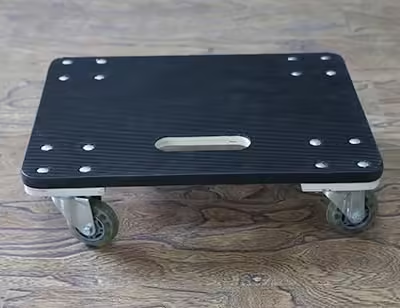
Die meisten professionellen Werkzeugwagen verwenden eine Kombination aus Schwenk- und Feststellrädern:
- 2 feste + 2 schwenkbare Räder: gleicht Stabilität und Beweglichkeit aus
- 4 Schwenkräder: Maximiert die Manövrierfähigkeit, erfordert aber eine sorgfältige Lastverteilung
- 4 feste Räder: maximale Stabilität, eingeschränkte Wendigkeit
Expertenmeinung:
Mike Johnson, Werkstattdesigner: “Eine Hybridkonfiguration ist für nahezu jeden professionellen Transportwagen ideal. Schwenkräder dienen der Manövrierbarkeit, starre Räder der Bewältigung schwerer Lasten.”
Belastbarkeit und Haltbarkeit
Wie berechnet man die Radlast?
Formel:Last pro Rad = Anzahl der Räder / Gesamtgewicht des Wagens + Last
- Kleine Wagen: 50–150 kg pro Rad
- Mittelgroße Industriewagen: 150–300 kg pro Rad
- Schwerlastwagen: 300–500 kg pro Rad
Materialbeständigkeit
| Material | Lebensdauer (Stunden) | Verschleißfestigkeit | Anmerkungen |
|---|---|---|---|
| Gummi | 2000–3000 | Mäßig | Weich, kann auf rauen Böden Abnutzungserscheinungen aufweisen. |
| Polyurethan | 4000–6000 | Hoch | Beständig gegen Chemikalien und Abrieb |
| Nylon | 3000–5000 | Hoch | Nur für glatte Böden geeignet |
| Metall/Stahl | 8000+ | Sehr hoch | Langlebig, lauter, schwer |
Oberflächenbetrachtungen
- Beton- oder Industrieböden: Polyurethan- oder Nylonräder
- Holzböden oder Fliesen: Gummiräder verhindern Kratzer und Geräusche
- Verwendung im Freien: Witterungsbeständiges Polyurethan oder Gummi
Wartung und Fehlerbehebung
Reinigung
- Entfernen Sie regelmäßig Abfälle.
- Prüfen Sie auf eingeklemmte Schrauben oder Metallspäne.
Schmierung
- Schwenkräder: Lager alle 2–3 Monate fetten.
- Feststehende Räder: minimaler Schmierstoffbedarf
Inspektion
- Prüfen Sie die Reifenprofile auf Risse, ungleichmäßigen Verschleiß oder Verformungen.
- Ersetzen Sie abgenutzte Räder umgehend, um Unfälle zu vermeiden.
Praktische Anwendungen und Fallstudien
Workshop-Beispiel
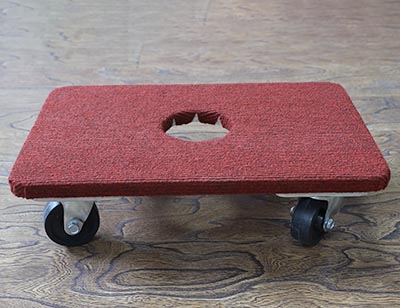
- Hybridwagen mit 2 Lenk- und 2 Feststellrädern
- Transportiert 200 kg Werkzeug
- Laut einer internen Studie reduziert 40% die Ermüdung des Bedieners.
Garagenwagen
- 4-Rad-Schwenkvorrichtung für die Motorwartung
- Reibungsloses Navigieren auf engstem Raum
- Polyurethanräder verhindern Betonschäden
Industrielle Montagelinie
- Robuste, starre Vorderräder, schwenkbare Hinterräder
- Belastbar bis 500 kg
- Gewährleistet hohe Geradeauslaufeffizienz bei gleichzeitiger Kurvenflexibilität
Vergleichstabelle: Schwenkbar vs. Feststehend Werkzeugwagenräder
| Besonderheit | Schwenkräder | Feste Räder | Beste Anwendungsfälle |
|---|---|---|---|
| Mobilität | 360°-Drehung | Nur vorwärts/rückwärts | Enge Räume vs. gerade Linie |
| Stabilität | Mäßig | Hoch | Schwere Lasten, lange Gänge |
| Tragfähigkeit | Mittel bis schwer | Schwer | Werkstätten vs. Industriewagen |
| Bodenschutz | Mäßig | Hoch | Empfindliche Oberflächen |
| Wartung | Mäßig | Niedrig | Lager regelmäßig schmieren. |
| Kosten | Höher | Untere | Budget- vs. Premium-Setup |
Experteneinblicke
Sara Kim, Wirtschaftsingenieurin:
“Die richtige Wahl treffen“ Werkzeugwagenräder Es geht um mehr als nur Mobilität. Bodenart, Belastung und Material beeinflussen die langfristige Haltbarkeit und Sicherheit.”
James Peterson, Workshop-Berater:
“Hybridkonfigurationen sind optimal. Schwenkbare Vorderräder für bessere Manövrierfähigkeit, starre Hinterräder für Stabilität, insbesondere bei schwerer Beladung.”
Schlussbetrachtung
Die richtige Wahl treffen Werkzeugwagenräder direkte Auswirkungen:
- Sicherheit und Ergonomie
- Effizienz der Lastumschlagsführung
- Langlebigkeit Ihres Warenkorbs
- Wartungsanforderungen
Investieren Sie in hochwertige Räder, wählen Sie das richtige Material und entscheiden Sie sich für eine Hybridkonfiguration, um optimale Leistung zu erzielen. Regelmäßige Wartung und Inspektion gewährleisten, dass Ihre Wagen über Jahre hinweg zuverlässig und effizient bleiben.
Häufig gestellte Fragen
Frage 1: Kann ich bei einem Wagen unterschiedliche Radmaterialien mischen?
A: Ja, aber die Gewichtsverteilung und die Bodenbeschaffenheit müssen berücksichtigt werden, um ungleichmäßigen Verschleiß zu vermeiden.
Frage 2: Woran erkenne ich, wann ich etwas ersetzen muss? Werkzeugwagenräder?
A: Abgefahrene Reifenprofile, Wackeln oder Schwierigkeiten beim Lenken sind deutliche Anzeichen.
Q3: Sind alle Schwenkräder selbsthemmend?
A: Nicht immer. Einige industrielle Schwenkräder verfügen über einen Feststellmechanismus zur Stabilisierung der Wagen.
Q4: Können Werkzeugwagenräder im Freien verwendet werden?
A: Ja, wählen Sie witterungsbeständiges Polyurethan oder Gummi für eine lange Lebensdauer.
Frage 5: Wie kann ich die Lebensdauer meiner Werkzeugwagenräder maximieren?
A: Regelmäßige Reinigung, Schmierung und Einhaltung der Belastungsgrenzen verlängern die Lebensdauer erheblich.
Halten Sie das Gespräch am Laufen!
Hat Ihnen dieser Artikel gefallen? Treten Sie unserer Community bei, um weitere Brancheneinblicke, Echtzeit-Diskussionen und exklusive Updates zu erhalten. Hier finden Sie mich:
→ Facebook: Qingdao Kinkayo Industrie und Handel Co., Ltd.
→ YouTube: Kinkayo Industrie und Handel
Lassen Sie uns gemeinsam Innovationen erkunden – verbinden Sie sich jetzt!
 German
  English
  French
  Japanese
  Spanish