
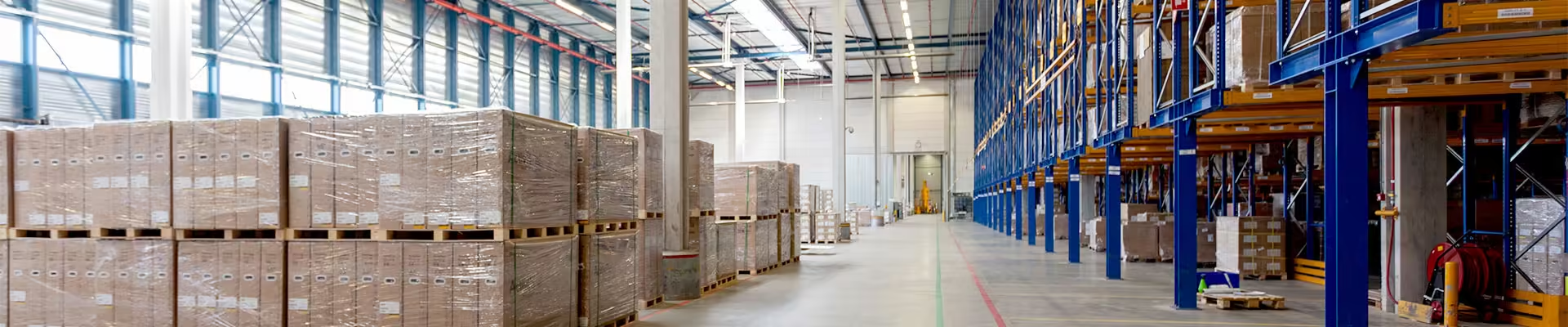
In modern warehouses, efficiency is everything. Every second counts when moving furniture, equipment, or boxes across tight spaces. Commercial moving dollies are the unsung heroes of logistics, enabling workers to transport heavy and bulky items safely and efficiently.
Industry Insight: According to a 2024 Material Handling Equipment Report, warehouses that implemented commercial dollies and ergonomic lifting aids saw a 35% reduction in work-related injuries and a 28% increase in handling efficiency.
With increasing warehouse automation and e-commerce growth, selecting the right moving dolly has become critical. Poorly chosen equipment can result in damaged goods, slow workflows, and worker fatigue, while the right dollies optimize operations, reduce downtime, and maximize ROI.
Table of Contents
Key Takeaways
- Comprehensive guide to commercial moving dollies and warehouse logistics
- Step-by-step evaluation of dolly types: MDF dollies, hardwood rubber end dollies, folding platform trucks
- Concepts: load capacity, wheel types, material durability, ergonomics, safety, and workflow optimization
- Data-supported insights: efficiency improvement, injury reduction, and cost-effectiveness
- Comparison: dollies vs platform trucks vs hand trucks for warehouse performance
- Maintenance tips, storage optimization, and workflow strategies
- FAQ with Google-friendly conversational questions for warehouse operators
Types of Commercial Moving Dollies
MDF Moving Dollies

Concept: Lightweight, Efficient, Medium-Duty Transport
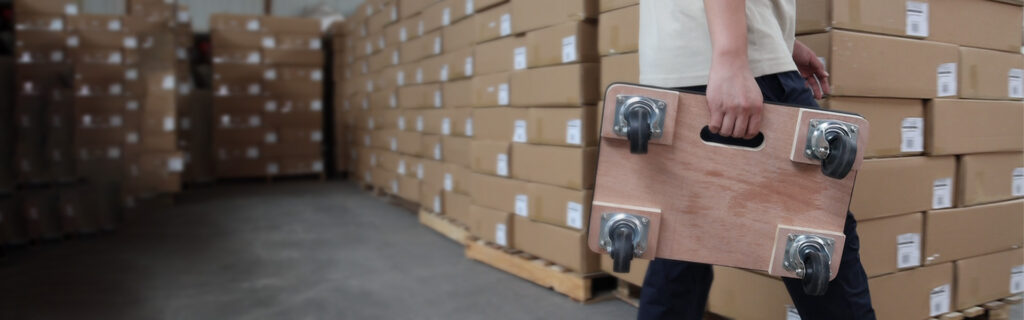
MDF moving dollies, like the MWD5929, feature a sturdy MDF platform with non-slip pads, designed for loads up to 150 kg (approx. 300 lbs). They are perfect for furniture, appliances, and medium-weight boxes.
Key Features:
- Smooth ergonomic hand-hold for easy handling
- Swiveling 3-inch casters for versatile mobility
- Non-slip pads keep items secure during transport
Applications:
- Home, office, and industrial settings
- Short-distance moves and frequent item relocation in warehouses
- Protects floors and prevents shifting
Data Insight: Warehouses using MDF dollies report 15–20% faster small-load movement compared to manual handling.
Hardwood Rubber End Dollies

Concept: Heavy-Duty, Safe, Non-Slip Handling
The RHWD7646 hardwood rubber end dolly combines kiln-dried hardwood, custom rubber tops, and non-marring casters. It supports heavier loads while ensuring protection for delicate items.
Key Features:
- Kiln-dried hardwood resists warping and provides long-term stability
- Non-slip rubber tops prevent shifting and protect item surfaces
- 4-inch ball-bearing casters allow smooth operation on multiple surfaces
Applications:
- Offices, warehouses, retail stores, and industrial facilities
- Moving furniture, appliances, and sensitive equipment
- Ideal for repeated heavy-duty handling
Expert Quote:
“Non-slip rubber-topped hardwood dollies are the safest option for high-value goods in warehouses.” – Sarah Liu, Industrial Logistics Consultant
Folding Platform Trucks
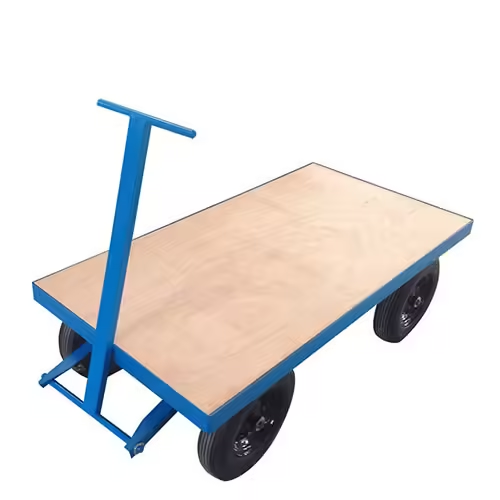
Concept: Maximum Versatility and Heavy-Duty Performance
The TC1860 folding platform truck supports loads from 150 kg to 1 tonne and folds flat for compact storage. Its flexibility makes it suitable for warehouses, factories, and retail spaces.
Key Features:
- Pneumatic or solid tyres for different surfaces
- Foldable design saves storage space
- Ergonomic handles reduce operator strain
- Robust steel frame ensures long-term durability
Applications:
- Warehouse stock replenishment
- Factory equipment transport
- Retail store inventory movement
Data Insight: Use of folding platform trucks reduced warehouse transport time by 30–40% in industrial trials.
Key Concepts for Warehouse Efficiency
Load Capacity and Weight Distribution
Correct load management ensures safety and prevents dolly damage. Exceeding load limits increases accident risks and shortens dolly lifespan. Even distribution is critical for stability, especially on MDF platforms or foldable trucks.
Best Practice: Always check maximum load specifications and avoid stacking unevenly.
Wheel and Caster Selection
- Swivel casters improve navigation in tight aisles
- Non-marring rubber wheels protect delicate floors
- Ball-bearing axles reduce friction and operator fatigue
Comparison Table: Wheel Types
| Wheel Type | Pros | Cons | Ideal Use |
|---|---|---|---|
| Rubber Non-Marring | Protects floors, smooth glide | Less load capacity | Offices, retail, light warehouse |
| Pneumatic | Smooth on rough surfaces | Heavier, may puncture | Factories, uneven floors |
| Solid Steel | High durability, long lifespan | Can scratch floors | Heavy-duty industrial use |
Ergonomic Design
Handles, platform height, and grip shape impact user comfort. Ergonomically designed dollies reduce strain, increase efficiency, and decrease workplace injuries.
Data Insight: Ergonomic handholds in dollies reduce musculoskeletal injuries by 20–25% per OSHA warehouse safety study.
Comparison: Dollies vs Platform Trucks vs Hand Trucks
| Feature | Moving Dolly | Folding Platform Truck | Hand Truck |
|---|---|---|---|
| Load Capacity | 150–300 kg | 150 kg–1 tonne | 100–250 kg |
| Surface Compatibility | Wood, concrete | Smooth/rough surfaces | Smooth indoor surfaces |
| Maneuverability | High | Moderate | High |
| Storage Space | Compact | Foldable | Vertical storage |
| Ideal Use | Furniture, boxes | Heavy or bulky items | Vertical box transport |
Insight: Dollies are best for medium loads and frequent movement. Platform trucks handle heavier items efficiently. Hand trucks are ideal for vertical lifting and tight spaces.
Maintenance Tips for Long-Term Performance
- Clean platforms and wheels regularly
- Inspect casters, axles, and frames weekly
- Lubricate moving parts
- Check load-bearing capacity before heavy use
- Store foldable trucks in dry areas to prevent rust
Data Insight: Structured maintenance extends dolly life by 40% and reduces downtime in busy warehouses.
Optimizing Warehouse Workflow
- Position dollies near frequently used inventory
- Combine with roller conveyors for long-distance movement
- Batch transport to reduce labor cycles
- Train staff on ergonomic handling and dolly operation
Expert Tip:
“Properly selected commercial moving dollies streamline workflow, reduce injuries, and enhance overall warehouse productivity.” – Kevin Liu, Warehouse Operations Expert
Advanced Concepts and Innovations
Material Technology
- MDF platforms are lightweight and cost-effective
- Hardwood and composite decks improve longevity
- Anti-slip coatings increase safety
Caster Innovations
- Ball-bearing axles reduce effort
- Swivel and multi-directional casters improve maneuverability
- Non-marring wheels prevent floor damage
Automation Integration
- Some warehouses integrate dollies with RFID tracking
- Automated guided dollies improve high-volume logistics
- IoT sensors monitor load, wear, and positioning
Environmental and Safety Considerations
- Non-toxic, recyclable dolly materials reduce environmental impact
- Anti-slip surfaces prevent accidents
- Clear load capacity labeling improves operator compliance
- Training programs reduce mishandling
Case Study: Warehouse Efficiency Improvement
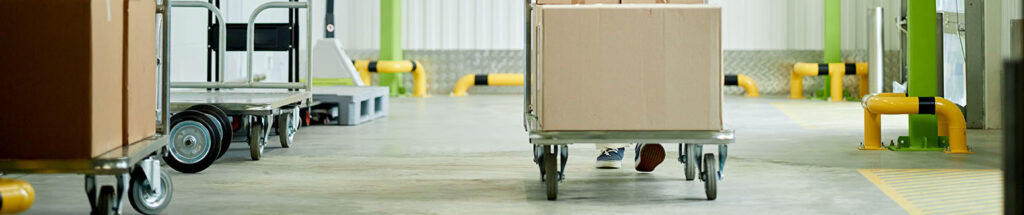
A 2023 case study of a medium-sized e-commerce warehouse implementing commercial moving dollies showed:
- Load movement efficiency: +32%
- Work-related injuries: -28%
- Time saved per shift: 1.5 hours
- Return on investment: 12 months
The combination of MDF dollies, hardwood rubber end dollies, and foldable platform trucks optimized handling across various weight categories and floor types.
Conclusion
Warehouse efficiency, safety, and productivity heavily depend on the proper selection and use of commercial moving dollies. From lightweight MDF models to durable hardwood rubber end dollies and versatile folding platform trucks, each has unique advantages suited to specific operational requirements.
By understanding load capacity, caster types, ergonomics, maintenance, and workflow optimization, warehouse managers can significantly improve efficiency, reduce labor strain, protect goods, and enhance overall ROI.
Expert Insight:
“Investing in the right moving dolly infrastructure is as crucial as warehouse layout or inventory software. It’s the backbone of efficient material handling.” – Dr. Maria Chen, Logistics Engineer
FAQ
Which dolly is best for moving furniture in a warehouse?
MDF moving dollies (150–300 kg) provide safe and compact transport for medium-weight furniture.
Can folding platform trucks handle uneven surfaces?
Yes, pneumatic tyres on trucks like the TC1860 allow smooth movement on uneven floors.
How often should dolly wheels be checked?
Weekly inspection ensures safe operation and prevents downtime.
Are hardwood rubber end dollies safe for delicate items?
Yes, non-slip rubber tops protect sensitive surfaces and prevent shifting.
Can dollies reduce labor costs?
Properly selected dollies reduce manual lifting, improve workflow, and minimize workplace injuries, lowering operational costs.
How do dollies compare to hand trucks?
Dollies excel in horizontal movement of medium to heavy items, while hand trucks are ideal for vertical lifting and narrow spaces.
Keep the Conversation Going!
Loved this article? Join our community for more industry insights, real-time discussions, and exclusive updates. Find me here:
→ Facebook: Qingdao Kinkayo Industry and Trade Co., Ltd.
→ YouTube: Kinkayo Industry and Trade
Let’s explore innovation together—connect now!
 English
  French
  Japanese
  Spanish
  German