
Table of Contents
Introduction
In modern warehouses, small wood hauling carts—including compact wooden pallet carts and platform trolleys—are essential for efficient material handling. They allow workers to transport boxes, tools, and other goods safely and efficiently, reducing physical strain while improving workflow.
Beyond their basic design, these carts provide numerous advantages if properly maintained and optimized. Understanding their features and implementing practical solutions can significantly enhance warehouse safety, longevity, and productivity. This article explores the five key advantages of wood hauling carts and provides detailed optimization tips, supported by real-world examples, maintenance strategies, and specifications.
Advantage 1: Smooth Mobility with Durable Wheels
Why Mobility Matters
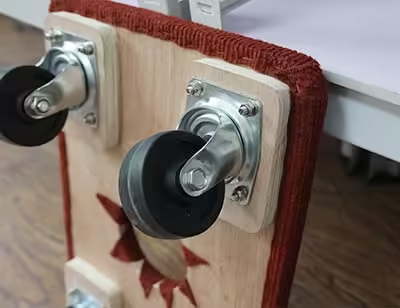
Efficient warehouse operations rely on smooth, reliable mobility. High-quality wheels ensure carts glide effortlessly across warehouse floors, reducing operator fatigue and minimizing noise.
Wheel Material Comparison
- Polyurethane Wheels: Highly abrasion-resistant, suitable for concrete or tiled floors, low noise, long-lasting.
- Rubber Wheels: Provide better shock absorption, ideal for uneven surfaces, and reduce vibration on heavy loads.
- Hard Plastic Wheels: Cost-effective for light-duty use but wear quickly under frequent or heavy operations.
Optimization Tips
- Upgrade to high-quality polyurethane or rubber wheels for long-term durability.
- Apply grease to swivel casters monthly to maintain smooth rotation.
- Perform weekly inspections of wheel alignment and bearings.
- Replace worn or damaged wheels promptly to avoid downtime and floor damage.
Real-World Case Study
A medium-sized warehouse handling over 300 shipments daily switched from plastic to polyurethane wheels. The result: a 2-year extension in cart lifespan and a 60% reduction in noise complaints from staff.
Additional Optimization Tips
- Use smooth push routes and avoid sharp turns or sudden stops.
- Assign carts with specialized wheels to areas with different flooring types.
- Rotate carts to ensure even wear of wheels over time.
Advantage 2: Stable Load Handling

Ensuring Load Safety
Wood hauling carts are designed to transport goods efficiently. Proper load management ensures product stability, protects employees, and prevents material damage.
Load Optimization Tips
- Follow recommended weight capacities: Small pallet carts: 200–300 kg; platform trolleys: 300–500 kg.
- Distribute heavier items at the center and lighter items at the edges.
- Use side rails, guard panels, or netting to stabilize irregular loads.
- Train staff in safe pushing, turning, and load balancing techniques.
Practical Benefits
- Installing side rails on platform trolleys reduced load-related accidents by 40% in a packaging warehouse.
- Balanced load distribution improves cart handling and reduces the risk of tipping.
Maintenance Recommendations
- Inspect side rails and guard panels monthly for stability and damage.
- Tighten screws or bolts and apply protective coatings to prevent rust or wear.
Advantage 3: Durable Wooden Decks

Strength and Longevity
Wooden decks are critical for load support. Using high-quality treated or laminated wood provides superior durability, moisture resistance, and safety.
Material Comparison
- Treated Wood: Cost-effective, suitable for dry environments.
- Laminated Wood: Moisture-resistant, stronger under repeated heavy loads.
- Composite or Reinforced Boards: Lightweight, ideal for high-frequency warehouse operations.
Optimization Tips
- Conduct monthly inspections for cracks, splinters, or soft spots.
- Reinforce high-stress points with metal brackets or supports.
- Avoid overloading to maintain deck integrity and prevent damage.
Warehouse Example
A seasonal goods warehouse installed laminated wooden decks across all carts. Deck replacement frequency decreased from twice a year to once every 18 months, significantly reducing operational disruption and cost.
Long-Term Usage Tips
- Clean decks regularly to remove dust and moisture.
- Repair minor cracks promptly to extend the lifespan of the deck.
- Rotate carts based on load type to ensure even wear across decks.
Advantage 4: Quiet and Efficient Operation
Reducing Noise in Warehouses
Noise from wooden carts on hard surfaces can disrupt workflow, communication, and employee comfort. Modern wood hauling carts minimize operational noise through advanced wheels and design.
Key Noise Reduction Strategies
- Install shock-absorbing polyurethane or rubber wheels.
- Maintain smooth flooring through regular sweeping and minor repairs.
- Lubricate wheel bearings to reduce friction and ensure smooth rolling.
Additional Operational Tips
- Assign quieter carts near office areas or communication zones.
- Schedule heavy or frequent use during off-peak hours to minimize disruption.
- Combine carts with rubber or composite wheels in areas with sensitive equipment.
Measurable Results
- Using shock-absorbing wheels on a platform trolley decreased warehouse noise by 8–12 dB.
- Employees reported improved comfort and communication efficiency, enhancing overall productivity.
Advantage 5: Maneuverability in Tight Spaces
Optimized for Compact Warehouses
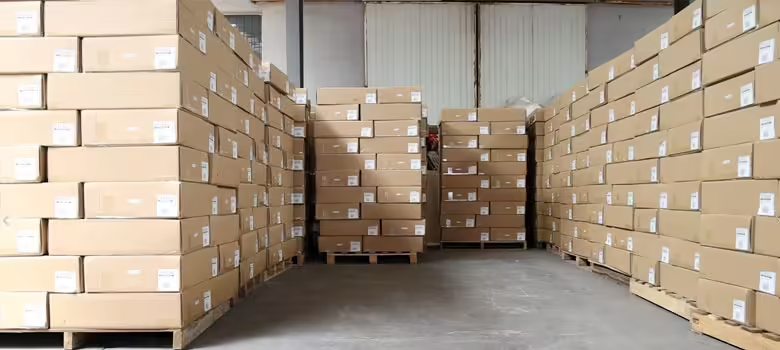
Small warehouses or high-density storage areas often have narrow aisles, making large carts difficult to operate. Compact design and swivel wheels improve maneuverability.
Optimization Strategies
- Use 360° swivel casters for enhanced flexibility.
- Select smaller deck sizes to navigate tight spaces easily.
- Train staff in proper steering and load balancing techniques.
- Plan warehouse layout with adequate turning zones and clear aisle width.
Real-World Example
In a warehouse with 1.2-meter-wide aisles, compact platform trolleys with four swivel casters reduced product damage during turns by 50% and improved overall material transport efficiency.
Practical Tips
- Use visual guides or floor markings for safer navigation.
- Consider modular cart designs that allow stacking or folding for tight spaces.
- Conduct periodic maneuverability training sessions to improve staff proficiency.
Table: Comparison of Wood Hauling Carts
| Feature | Small Wooden Pallet Cart | Small Platform Trolley | Notes |
|---|---|---|---|
| Deck Size | 800 × 600 mm | 900 × 700 mm | Platform trolleys provide a larger deck for bulky items |
| Load Capacity | 200–300 kg | 300–500 kg | Maximum weight adherence recommended |
| Wheel Type | Polyurethane / Rubber | Polyurethane / Rubber | Shock-absorbing wheels recommended |
| Total Weight | 15–20 kg | 25–30 kg | Lighter carts are easier to push |
| Mobility | 2 fixed + 2 swivel casters | 4 swivel casters | Improved maneuverability in narrow aisles |
| Deck Material | Treated Wood | Laminated Wood | Laminated wood is moisture-resistant |
| Maintenance | Monthly | Monthly | Regular checks prevent damage |
| Noise Level | Moderate | Low | Shock-absorbing wheels reduce disruption |
| Push Force Required | 25–30 N | 20–25 N | Lower push force increases worker comfort |
| Expected Lifespan | 3–5 years | 5–7 years | With proper maintenance |
Additional Warehouse Tips
- Label carts with maximum load and maintenance dates for easy tracking.
- Store carts indoors to prevent moisture-related damage.
- Schedule periodic upgrades or replacements for older carts.
- Train staff on proper cart handling, load distribution, and turning techniques.
- Keep aisles clear to prevent debris-related damage and improve smooth operation.
Conclusion
Wood hauling carts and platform trolleys are vital tools that enhance warehouse efficiency, safety, and productivity. Their key advantages—smooth mobility, stable load handling, durable decks, quiet operation, and tight-space maneuverability—ensure reliable material transport and optimized workflow.
By following the optimization tips outlined, including high-quality materials, regular maintenance, staff training, and warehouse layout improvements, businesses can maximize the value of wood hauling carts, reduce operational issues, and achieve a safer, more efficient working environment.
FAQ
What are small wood hauling carts used for?
They efficiently transport boxes, tools, and materials within warehouses, storage facilities, and industrial environments.
How much weight can they carry?
Small pallet carts: 200–300 kg; small platform trolleys: 300–500 kg, depending on design.
How often should carts be maintained?
Monthly inspections of wheels, decks, and bearings are recommended to ensure smooth and safe operation.
What wheels are best for small warehouse carts?
Polyurethane or rubber wheels provide durability, smooth rolling, and noise reduction.
Can these carts be used in narrow aisles?
Yes, swivel caster wheels and compact deck designs allow easy maneuvering even in tight spaces.
How can warehouses maximize cart lifespan?
Regular maintenance, avoiding overload, using high-quality decks and wheels, and proper staff training all extend lifespan.
Are these carts suitable for outdoor use?
Treated or laminated wooden decks with weather-resistant wheels can be used outdoors, but prolonged exposure to moisture may reduce lifespan.
Keep the Conversation Going!
Loved this article? Join our community for more industry insights, real-time discussions, and exclusive updates. Find me here:
→ Facebook: Qingdao Kinkayo Industry and Trade Co., Ltd.
→ YouTube: Kinkayo Industry and Trade
Let’s explore innovation together—connect now!
 English
  French
  Japanese
  Spanish
  German